
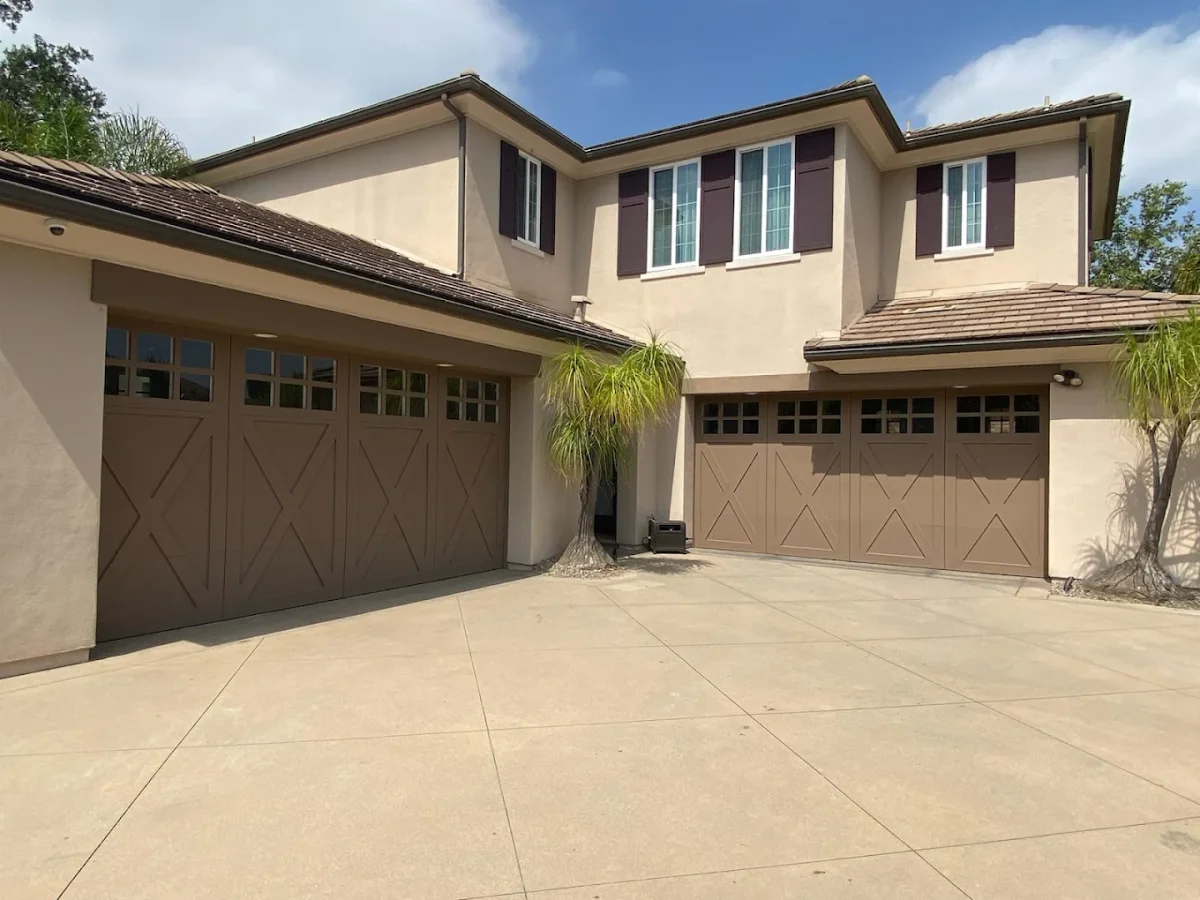
Spring is the ideal time to repaint your home’s exterior. Why? Mild temperatures (50–85°F) and low humidity create perfect conditions for paint to cure properly. Repainting not only improves your home’s look but also protects it from weather damage, UV rays, and pests. Ignoring early signs of paint failure can lead to costly repairs like rot, mold, or structural damage.
Here are 5 signs it’s time to repaint your home:
- Peeling, Cracking, or Bubbling Paint: Indicates moisture has penetrated the surface, compromising protection.
- Fading Colors: UV rays weaken paint pigments, reducing vibrancy and durability.
- Chalking or Powdery Residue: A white, dusty layer shows the paint’s protective layer is breaking down.
- Mold, Mildew, or Stains: Damp areas promote growth, signaling a breach in the paint barrier.
- Worn Trim, Doors, and High-Traffic Areas: Constant use and weather exposure lead to chipping, cracking, and fading.
Repainting Frequency by Surface Type:
- Wood siding: Every 3–7 years
- Stucco: Every 5–10 years
- Vinyl/Aluminum: Every 7–10 years
- Painted brick: Every 10–15 years
- Trim/Doors: Every 2–4 years
Addressing these issues early ensures your home stays protected and visually appealing. Don’t wait - spring’s mild weather makes it the best time to repaint.
1. Peeling, Cracking, or Bubbling Paint
Visible Damage or Deterioration
When you see paint peeling, cracking, or bubbling on wood, siding, or trim, it’s a clear sign that moisture is getting through and breaking down the paint’s adhesive power. This isn’t just a cosmetic issue - it’s a sign that your home’s protective barrier is compromised.
"Once paint starts peeling, it doesn't stop. It spreads." – HOMEfix
Weather-Related Wear and Tear
Weather can be brutal on exterior paint. Freeze-thaw cycles are especially damaging. Water sneaks into tiny cracks, freezes, expands, and pushes the paint away from the surface. Add intense sunlight and UV rays into the mix - common in high-altitude areas - and the paint breaks down even faster. The result? A finish that deteriorates quickly, leaving your home vulnerable to more serious problems.
Impact on Curb Appeal
Peeling paint doesn’t just look bad - it exposes the underlying material to risks like wood rot, mold, mildew, and even insect damage. What starts as a small patch can quickly spread, leading to expensive repairs if rot or structural damage sets in.
Exterior paint typically lasts 7–10 years, but harsh weather conditions can cut that lifespan short. If you’re seeing these issues, spring is the perfect time to take action and prevent further damage.
2. Fading or Discolored Colors
Weather-Related Wear and Tear
Sunlight - specifically UV rays - is the main reason paint fades over time. These rays break down the pigments in paint, causing colors to lose their vibrancy. Darker colors tend to fade faster because they absorb more heat and UV radiation compared to lighter shades.
Homes in areas with strong sunlight, particularly on the south and west sides, experience faster fading. These sections often show wear years before other parts of the house, making them more vulnerable to damage. Over time, this wear affects both the look and durability of the paint.
Impact on Curb Appeal
"Fading is actually one of the earliest signs that your paint system is breaking down." - HOMEfix
Faded paint doesn’t just hurt your home’s appearance - it’s also a sign that the protective layer is deteriorating. When paint fades, it signals reduced defense against moisture, pests, and wood rot. This can be especially problematic if you’re planning to sell, as faded paint can lower your home’s market value.
Frequency of Maintenance Required
The parts of your home exposed to the most sunlight often act as early indicators of wear. A chalky residue on siding is a telltale sign that the paint’s adhesion has weakened, meaning it’s time to repaint. Tackling fading early - right when colors start to dull - can save you from bigger problems like peeling, cracking, or even damage to the underlying material. Regular maintenance in these areas is key to preventing costly repairs down the line.
3. Chalking or Powdery Residue
Visible Damage or Deterioration
Chalking shows up as a fine, white powder on your home's exterior. To test for it, simply run your hand - or a dark cloth - over the siding. If you see a white residue, that's chalking. This happens when the paint's binders break down due to constant exposure to sunlight and rain, releasing the pigment as a fine dust.
"Chalking is actually the paint pigment released by the paint binders that have been broken down by exposure to the weather." - Bob Formisano, Licensed Architect and Builder
Chalking is a clear sign that the paint's protective layer is failing. Once the paint film deteriorates into powder, it no longer shields your siding from moisture, pests, or wood rot. On brick or masonry surfaces, you might notice a similar white powder called efflorescence. This occurs when moisture passes through the material, pulling salts and minerals to the surface as it evaporates.
Weather-Related Wear and Tear
Chalking is often caused by prolonged exposure to intense sunlight and UV rays. South-facing walls are especially vulnerable since they receive the most direct sunlight throughout the day. It’s most common with light-colored flat paints and lower-quality oil-based paints. In dry, arid regions, the issue can worsen because there isn’t enough rain to naturally rinse away the residue.
Using low-quality exterior paint, over-thinning paint, or failing to seal surfaces properly can speed up chalking. When chalking begins, it’s a signal that the paint’s protective lifespan - typically 5 to 15 years, depending on the siding material - is nearing its end. This early breakdown not only leaves your home exposed to damage but also impacts its overall appearance.
Impact on Curb Appeal
Severe chalking leaves your home looking dull and faded, giving off an impression of neglect. During rainstorms, the powdery residue can wash off, creating streaks on nearby surfaces that are hard to ignore. While chalking may not always be noticeable from afar, up close, it strips away the vibrancy of your home’s exterior. Taking care of chalking early - before it leads to chipping or cracking - can help you avoid more expensive repairs later. Tackling this issue in spring is a smart move to preserve your home’s durability and keep it looking its best.
4. Mold, Mildew, or Stains
Visible Damage or Deterioration
Mold and mildew show up as spots, streaks, or patches in areas that stay damp for long periods. These unsightly marks are a clear sign that moisture has breached your paint's protective barrier. Once that barrier is compromised, it becomes much easier for mold and mildew to take hold and grow.
Weather-Related Wear and Tear
Spring weather, with its heavy rains and fluctuating temperatures, creates the perfect environment for mold to thrive. Moisture is the biggest enemy of exterior paint finishes. When surfaces stay wet for too long, the paint’s ability to protect your home weakens significantly. This allows mold to grow more quickly, especially in spots that don’t dry out between rain showers.
"If the final coat is applied around 6pm and the temperature then drops rapidly it is likely to alter the curing process and diminish the durability of the paint finish." – JP Taffe Decorating
Weather-related issues like these, similar to chalking and fading, strip away your home’s protective layers over time.
Impact on Curb Appeal
Mold doesn’t just signal potential damage - it’s also an eyesore. Like peeling paint or chalking, visible mold can make your home look neglected and warn potential buyers about possible moisture problems. To fix this, it’s crucial to clean and prep the surface thoroughly before repainting. Otherwise, you risk sealing in moisture, which can lead to even faster paint failure down the road.
5. Visible Wear on Trim, Doors, and High-Traffic Areas
Visible Damage or Deterioration
Your front door, window trim, and entryways take a beating from constant exposure to the elements and regular use. Over time, you’ll likely see chipping or cracking, which leaves the underlying wood vulnerable to pests and weather. Fading paint, especially on sunlit areas, is another common issue. Black or gray stains might also appear, often pointing to mold, mildew, or algae caused by trapped moisture. If you notice a chalky residue on the surface, it’s a sign that the paint’s protective layer is breaking down.
Weather-Related Wear and Tear
Wooden trim and doors are particularly susceptible to damage from UV rays and moisture. Sunlight causes darker colors to fade more noticeably, while rain and humidity can weaken the paint’s finish more quickly. The side of your house that gets the most sunlight will likely need repainting sooner than other areas.
Frequency of Maintenance Required
Unlike sturdier materials like brick or stucco, which can keep their paint intact for up to 15 years, wood trim and doors demand more frequent upkeep. Depending on your local climate and the type of material, exterior paint generally lasts between 5 and 15 years. Wood, being porous, requires timely repainting to avoid rot. If you’re planning a spring repaint, make sure the weather allows for proper curing conditions.
Impact on Curb Appeal
"If walking up to your front door each day doesn't make you as happy or pleased as it once did, this can signal that the time's come for a fresh coat." – SuperiorPRO
Your front door and entryway are the first things guests and potential buyers notice. Faded or mismatched trim can give your home a tired, outdated look. Peeling paint around windowsills and door frames doesn’t just look unkempt - it can lead to wood rot if ignored. Waiting until the damage becomes severe can increase repair costs by 200% to 300% compared to addressing the problem early. Staying ahead with maintenance not only keeps your home looking its best but also prevents costly repairs down the line.
Repaint Frequency by Surface Type
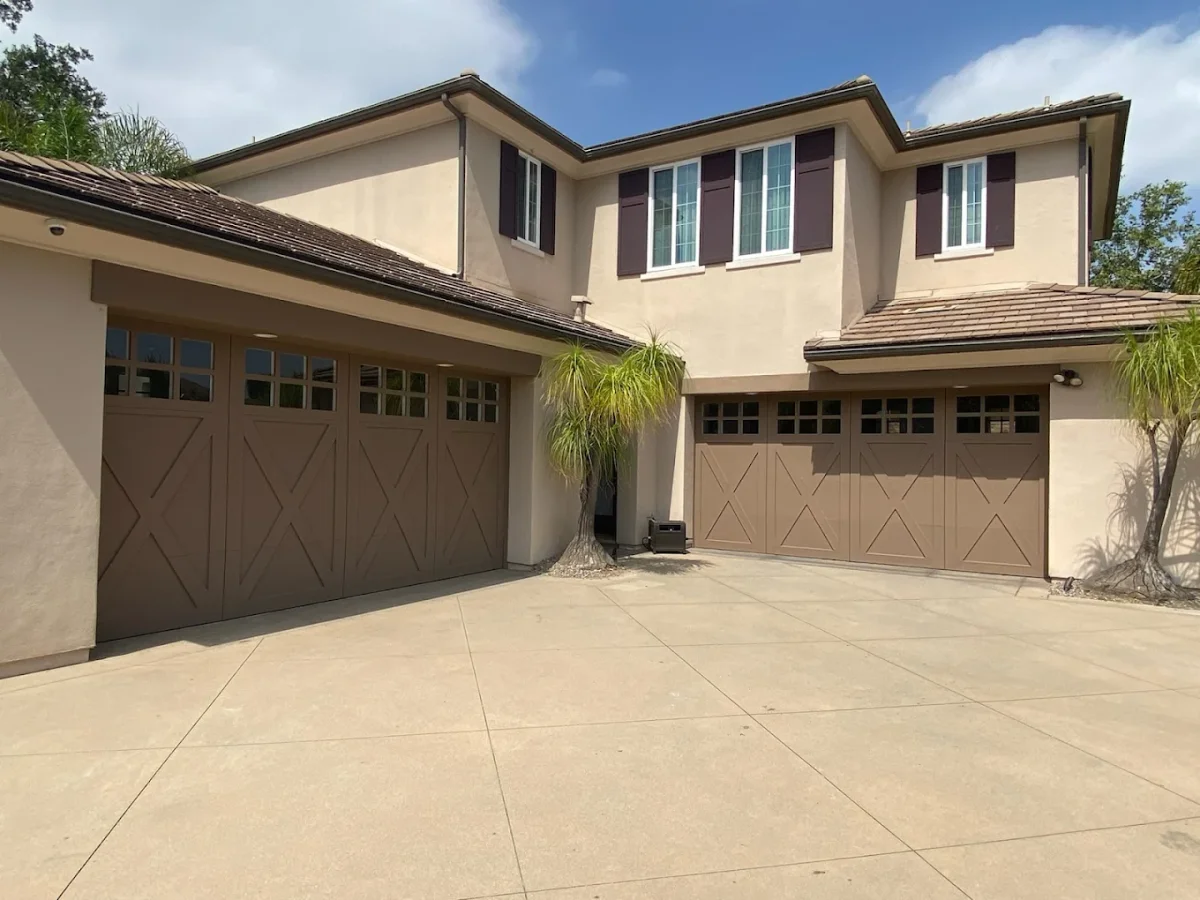
Once you've spotted signs of damage, the next step is understanding how often different surfaces need repainting to keep your home in good shape. Exterior surfaces don't wear down at the same rate, so knowing the specifics can save you time and money. For instance, wood siding should be repainted every 3 to 7 years. This is because wood expands and contracts with temperature changes, making it prone to rot over time. Stucco, on the other hand, is a porous material that absorbs moisture, so it typically needs fresh paint every 5 to 10 years to maintain its protective barrier. Painted brick is a more durable choice, often lasting 10 to 15 years before signs of wear appear. Meanwhile, vinyl and aluminum siding hold up well for 7 to 10 years, though their color may fade over time. High-traffic areas like trim and doors, which face constant use and exposure to elements like sunlight, salt, or snow, may need repainting every 2 to 4 years.
| Surface Type | Recommended Repaint Frequency | Primary Reason for Maintenance |
|---|---|---|
| Wood Siding | 3–7 Years | Prone to rot and affected by temperature changes |
| Stucco | 5–10 Years | Porous; requires paint to block moisture |
| Vinyl/Aluminum | 7–10 Years | Durable but may lose color vibrancy over time |
| Painted Brick | 10–15 Years | Long-lasting; retains paint better than most |
| Exterior Trim | 2–4 Years | High-use areas exposed to harsh elements |
These timelines are influenced by your region's climate. For example, homes in the Southeast often need repainting every 3 to 5 years due to intense heat and storms. In the Northeast and Midwest, freeze-thaw cycles can shorten paint lifespans, while coastal areas may require repainting every 4 to 6 years to combat salt air.
"Repainting your home isn't just about style. It is about protecting your biggest investment.
Following these guidelines can help you stay ahead of wear and tear, ensuring your home remains protected and visually appealing for years to come.
Conclusion
Have you noticed signs of your paint starting to fail? These could mean your home is losing its protective barrier, exposing it to potential structural damage that can be expensive to fix. Taking action now with a fresh coat of paint can help safeguard your home before harsher weather arrives.
Spring is the perfect season for repainting, thanks to its mild temperatures, which allow paint to cure properly. As JP Taffe Decorating points out:
"If the paint takes 4 hours to dry you don't want the temperature dropping below 5c during that period".
This stable curing process ensures your paint finish will stand the test of time.
By addressing peeling, cracking, or other paint issues now, you can prevent moisture from seeping in and protect against UV damage before the intense summer sun and the rainy months that follow. Whether it’s your siding or trim showing wear, repainting now helps maintain your home's value and protects its structure for the long run.
Staying on top of maintenance not only keeps your home looking great but also ensures its durability and long-term worth.
FAQs
Do I need to scrape off all the old paint before repainting?
You don't have to remove every bit of old paint before repainting, as long as it's sticking well to the surface. However, prepping the surface correctly is crucial. Start by cleaning it thoroughly, then get rid of any loose or peeling paint. Sand down any rough spots to create a smooth base. If you notice areas where the paint is flaking or coming off, scrape those sections to ensure the new paint sticks properly and holds up over time.
How can I tell if stains are dirt or mold/mildew?
To tell the difference between dirt and mold or mildew, pay attention to their texture and appearance. Mold or mildew typically feels fuzzy or slimy and shows up as darker, uneven patches. Dirt, however, tends to look dry, dusty, or sometimes greasy, and it can usually be wiped off without much effort. Noticing these details can make it easier to figure out what kind of stain you're dealing with.
What weather forecast is “safe” for exterior painting?
To ensure the best results when painting outdoors, aim for weather conditions where temperatures stay at or above 50°F, and don't dip below 41°F (5°C) during the drying period. Choose dry, sunny days with little to no wind to help the paint cure properly and ensure a durable finish.
More guides
- Best Exterior Paint Colors for Sierra Madre Homes in 2026
- Cabinet Painting in Sierra Madre: Transform Your Kitchen for Less
- Commercial Painting for San Gabriel Valley Storefronts
- Deck Staining vs Deck Painting: Which Is Better for California Decks?
- 2026 Exterior Paint Color Trends for California Homes
Related painting services
If this article covers something you are planning, these pages go into what the work actually involves on a job.
- Interior painting for walls, ceilings, trim, and cabinets, including how we mask and protect a house you are still living in.
- Single family home painting for a whole house inside or out, from the first walkthrough to the final punch list.
- Apartment building painting for owners and property managers with occupied units and common areas that have to keep working.
- Painting in Pasadena and the rest of the San Gabriel Valley, with the local prep, permit, and historic district notes that apply there.