
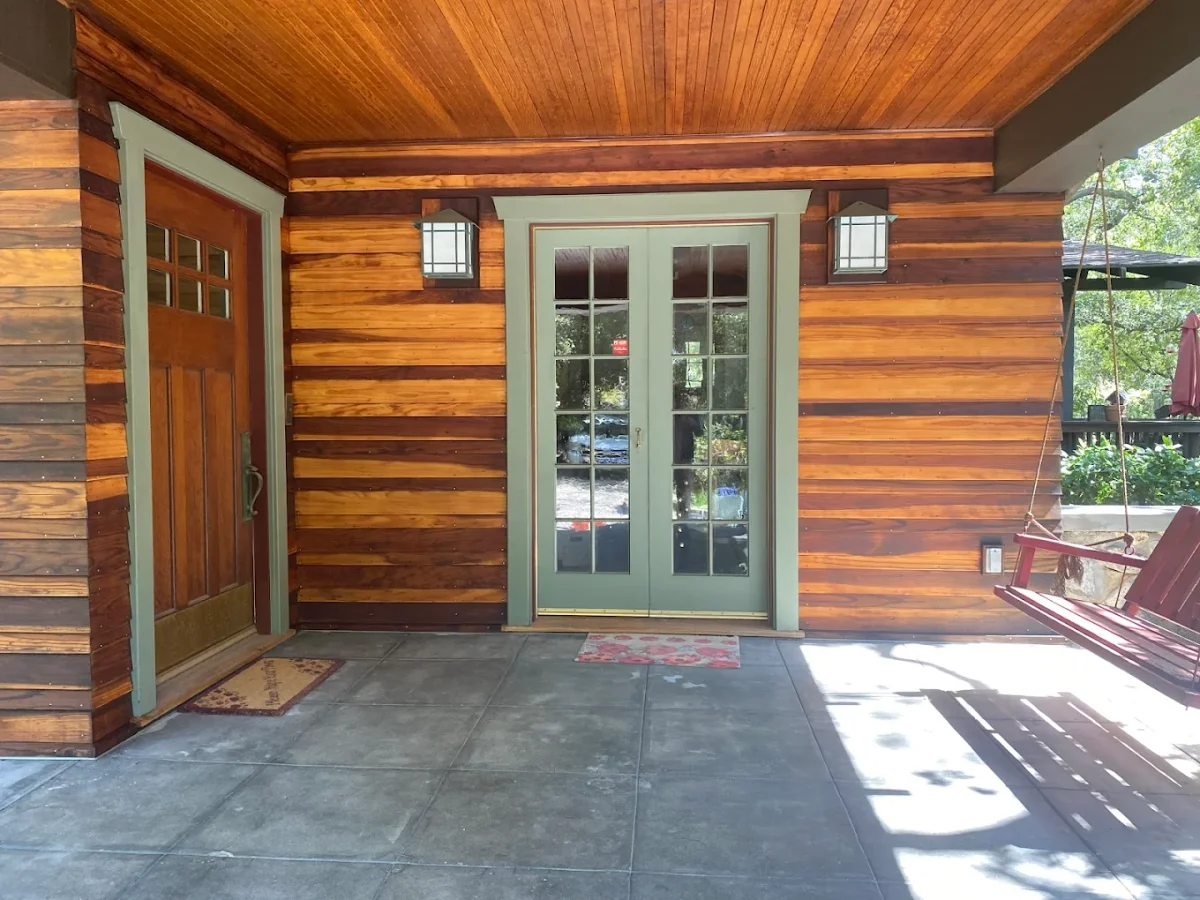
In Southern California, your home's paint faces challenges like intense sunlight, salty coastal air, and temperature swings, which can shorten its lifespan. Here's a quick breakdown:
- Coastal Areas: Repaint every 5–8 years due to salt air and moisture.
- Inland Valleys: Repaint every 7–10 years, as UV damage and heat take their toll.
- Desert Zones: Repaint every 5–8 years because of extreme UV exposure and sand abrasion.
- Material Matters: Wood siding needs repainting every 3–7 years, stucco lasts 5–10 years, and fiber cement can go 10–15 years.
To make paint last longer:
- Rinse exteriors annually to remove salt, smog, and debris.
- Inspect for cracks and gaps every year.
- Use UV-resistant paint for sun-exposed areas.
Inside, high-traffic areas like hallways and kids' rooms may need repainting every 2–5 years, while less-used spaces like adult bedrooms can last up to 10 years. Regular cleaning and touch-ups help maintain interiors.
For the best results, repaint during spring or early fall when temperatures are mild, avoiding extreme heat or moisture. Proper preparation and maintenance can save you time and money in the long run.
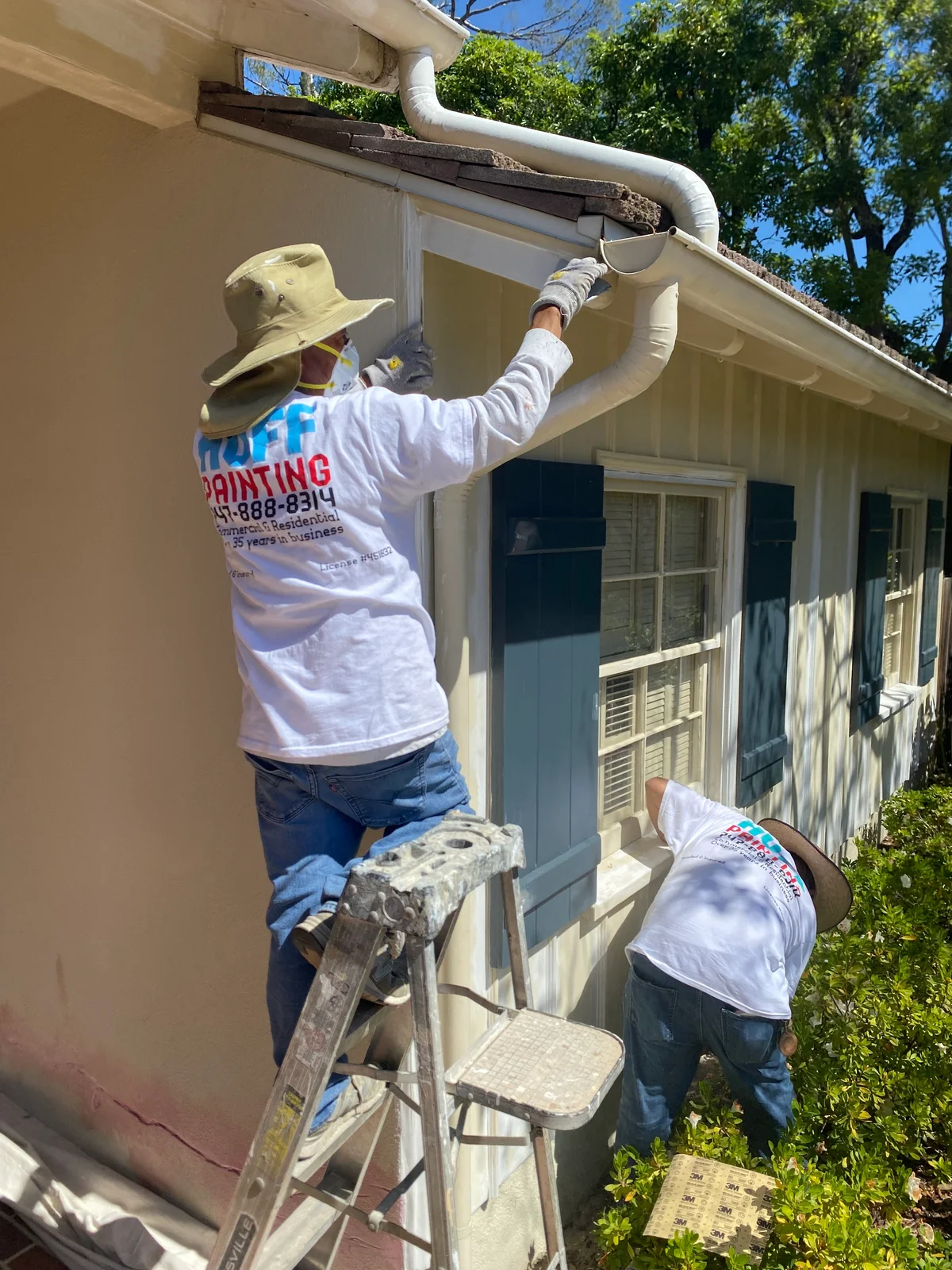
How Southern California's Climate Affects Paint Life
Southern California is a patchwork of microclimates, each bringing its own set of challenges for maintaining a home’s exterior. The lifespan of your paint depends heavily on your location, as the region's diverse conditions create unique stresses on painted surfaces. Let’s dive into how these environmental factors impact paint durability.
Microclimates Across the Region
Southern California is divided into distinct zones, each with its own weather-related challenges. For example, coastal areas like Santa Monica and Del Mar battle salt air, morning fog, and moisture carried by strong winds. Meanwhile, inland valleys such as Riverside and Temecula endure relentless UV exposure and scorching temperatures that frequently exceed 90°F. Desert-adjacent areas add abrasive sand and dust to the mix, further stressing paint. These varying conditions mean there’s no universal repainting schedule that suits every home.
| Region | Typical Repaint Range | Primary Stressors |
|---|---|---|
| Coastal | 5–7 years | Salt air, fog, wind-driven moisture |
| Hot Inland Valleys | 6–9 years | High UV, extreme heat, drying winds |
| Desert | 5–8 years | Intense UV, sand/dust abrasion, heat |
| Mild Inland | 7–10 years | Stable weather, moderate UV |
Weather and Environmental Stress on Paint
One of the biggest culprits for paint degradation is UV radiation. It fades colors, causes chalking, and weakens the paint’s structure over time. South- and west-facing walls take the brunt of this damage, especially during the intense afternoon sun. Darker paint colors are even more vulnerable, as they absorb more heat, which speeds up the expansion and contraction of surfaces, leading to cracking.
"UV is basically nature's slow-motion sandblaster for color.
Coastal areas face an additional challenge: the marine layer. The cycle of morning moisture followed by afternoon heat creates constant expansion and contraction, which gradually weakens paint adhesion.
Dust, Smog, and Air Quality Effects
Air quality issues like smog, wildfire smoke, and airborne particulates also take a toll on paint. These pollutants settle on surfaces and chemically degrade the paint finish faster than in areas with cleaner air. During Santa Ana wind events, the situation worsens as dust, sand, and debris act as abrasive agents, wearing down paint - especially on trim and exposed edges.
"Santa Ana winds and seasonal gusts can carry dust, sand, and debris that abrade painted surfaces, wearing them down prematurely." - Local painting experts
Homes situated near freeways or in dusty inland valleys are particularly at risk. A simple maintenance tip? Rinse your home’s exterior with a garden hose once or twice a year. This helps remove buildup before it can adhere and degrade the paint, significantly extending the life of your paint job.
Exterior Repainting Schedules for Southern California Homes
Southern California's climate plays a big role in determining when your home’s exterior needs a fresh coat of paint. Both the materials used and your home’s location influence how often you should repaint.
Repainting Timelines by Surface Material
Different materials age at different rates, with some requiring more frequent maintenance. For instance, wood siding is particularly high-maintenance, needing repainting every 3 to 7 years due to its tendency to absorb moisture and its vulnerability to sun damage. On the other hand, stucco, which is widely used in Southern California, can last 5 to 10 years before needing attention. Elastomeric coatings can sometimes extend stucco’s longevity by adapting to small surface movements.
Here’s a quick breakdown of common materials and their repainting timelines:
| Surface Material | Repainting Interval (SoCal) | Key Vulnerability |
|---|---|---|
| Wood Siding | 3–7 years | Moisture, rot, sun-induced cracking |
| Stucco | 5–10 years | Hairline cracks, UV fading |
| Aluminum/Vinyl | 5–10 years | Fading and chalking |
| Painted Brick | 8–12 years | Peeling if moisture is trapped |
| Fiber Cement | 10–15 years | Minimal; very durable |
| Trim and Doors | 3–5 years | High wear from frequent exposure |
Fiber cement siding, such as James Hardie products, is particularly tough, often lasting 10 to 15 years with proper prep work. Meanwhile, trim and doors see more wear and tear due to constant exposure, requiring repainting every 3 to 5 years. It’s worth noting that surface preparation - cleaning, sanding, and priming - accounts for about 80% of a paint job’s durability.
"Paint is the silent defender of your home's first impression." - That 1 Painter
While these intervals provide a general guide, local conditions can significantly impact how often you’ll need to repaint.
Adjusting Schedules Based on Location
Where your home is located within Southern California can dramatically affect how quickly its exterior wears down. Coastal homes, for example, face challenges like salt air and marine fog, which speed up weathering. These homes often require repainting every 5 to 8 years.
Inland areas, such as Ontario or Fontana, benefit from a drier climate and generally enjoy 7 to 10 years between paint jobs. However, the intense heat cycles in these regions can still cause wear over time. Homes near desert areas, like Palm Desert or Indio, face extreme UV exposure and occasional sand abrasion, reducing the repainting interval to around 5 to 7 years.
Another factor to consider is the direction your home faces. South- and west-facing walls tend to deteriorate faster - by up to 2 to 3 years - due to higher UV exposure. Regular inspections of these areas can help you catch wear early. Also, if you live in a community with a homeowners association (HOA), check their rules. Many HOAs require repainting every 7 to 10 years, regardless of the home’s condition.
Best Times of Year to Paint Exteriors
Timing is everything when it comes to exterior painting. In Southern California, the best seasons for painting are spring (March through June) and early fall (September through early November). During these months, temperatures usually range from 60°F to 85°F, humidity is low, and weather conditions are stable - ideal for paint to cure properly and bond well to surfaces.
Avoid painting during the peak summer months when temperatures exceed 90°F. Paint can dry too quickly in extreme heat, preventing it from bonding fully and reducing its durability. Similarly, winter’s moisture can interfere with curing. If summer is your only option, aim to paint in the late morning - after the marine layer has burned off but before the afternoon heat sets in.
Interior Repainting Schedules and Room-by-Room Advice
Interior paint ages differently depending on the room and how much it's used. For example, guest bedrooms can retain their fresh look for up to 10 years, while busy hallways may show wear in just 2–3 years. In places like Southern California, factors like intense sunlight and coastal humidity can speed up the aging process.
Repainting Timelines by Room
The amount of use a room gets is the biggest factor in how long its paint lasts. Here's a handy guide to help you plan:
| Room Type | Repaint Interval | Recommended Finish | Primary Stressors |
|---|---|---|---|
| Kitchens & Bathrooms | 3–5 years | Satin or Semi-Gloss | Moisture, grease, humidity |
| Hallways & Entryways | 2–4 years | Satin or Eggshell | Scuffs, fingerprints, foot traffic |
| Living & Dining Rooms | 5–7 years | Eggshell or Matte | Dust, UV fading |
| Adult Bedrooms | 5–10 years | Matte or Eggshell | Minimal wear |
| Kids' Rooms | 2–5 years | Satin or Eggshell | Marks, high activity |
| Ceilings | 10–15 years | Flat | Discoloration, rising dust |
| Trim & Baseboards | 2–6 years | Semi-Gloss | Scuffs, hand oils |
Coastal areas like Santa Monica or Long Beach face extra challenges. The higher humidity in these regions can cause paint in kitchens and bathrooms to peel or bubble faster, so sticking to the shorter end of these timelines is a smart move.
What Affects Interior Paint Life
Several factors can shorten the lifespan of interior paint. For starters, humidity in bathrooms and kitchens from showers and cooking can break down the paint film faster. Sunlight is another major culprit; rooms that face south or west in sunny areas like Southern California can see colors fade 20–30% faster than those with less direct light.
The preparation process also plays a huge role. Properly cleaning, patching, and priming the walls before painting can account for 40–60% of how long the paint job lasts. And don’t overlook the quality of the paint itself.
For homes in California, paints with 100% acrylic binders are a great option. These are more flexible and resistant to wear than vinyl-acrylic blends, making them better suited for areas with fluctuating temperatures.
How to Keep Interior Paint in Good Shape
Taking care of your walls can go a long way in preserving your paint job. Wipe down walls every few months with a lint-free cloth to remove dust and grime that can degrade the finish. For stubborn stains, a gentle solution of mild dish soap and water works well - just avoid harsh cleaners that might dull the paint.
Keep leftover paint on hand for touch-ups. When scuffs or marks show up - especially in high-traffic areas like hallways or near doorframes - a quick touch-up can keep things looking fresh without needing a full repaint. Be patient with fresh paint, though. While it may feel dry after a few hours, it takes 2 to 4 weeks to fully cure. Cleaning too soon can damage the paint film permanently.
In sunlit rooms, adding window treatments or UV-filtering window film to south- or west-facing windows can help slow fading and extend the time before repainting becomes necessary. With Southern California’s intense sunlight and humidity, these small steps can make a big difference in keeping your paint looking great for longer.
Signs It's Time to Repaint
Keeping an eye out for these common signs can help you tackle paint issues before they turn into bigger, more expensive problems. Catching paint failure early can save you from repairs that might cost 10–20 times more than a timely repaint.
Exterior Warning Signs
Southern California's intense climate can take a toll on your home's exterior paint. If you notice faded or uneven color, or if the walls feel powdery to the touch, these are signs of chalking - a condition where the paint binder has broken down, leaving your home unprotected. Check south- and west-facing walls especially, as they bear the brunt of the sun's intensity.
Other issues like peeling, flaking, blistering, and alligatoring point to adhesion problems or trapped moisture. These patterns often result from the constant expansion and contraction caused by the area's heat and coastal humidity.
Pay close attention to caulk around windows and doors. UV rays can harden and crack caulk in as little as 3 to 5 years in Southern California. Gaps in the caulk allow moisture to seep behind the paint, speeding up its failure. For wood trim and fascia, look for soft spots or stains - both signs that the protective paint layer has already given way.
Interior Wear Signs
Inside your home, paint also shows clear signs when it needs replacing. In bathrooms or near windows, peeling or flaking often signals moisture problems or adhesion failure. In high-traffic areas, scuffs and dark marks that won't come off with cleaning are a sign that the paint has worn thin.
Delaying a repaint can lead to higher prep and repair costs down the line. Fading near windows is another common issue, especially in homes with large, south- or west-facing glass. Other signs of aging paint include yellowing white trim, mismatched touch-up spots, and hairline cracks around doors and windows.
These indicators should guide your annual inspection routine to keep your home looking its best.
Annual Self-Inspection Checklist
A quick yearly inspection - taking less than an hour - can help you catch early signs of paint deterioration. Use this checklist to stay on top of both interior and exterior issues:
| Area | What to Look For |
|---|---|
| South & West Exterior Walls | Fading, chalking, peeling, blistering |
| Wood Trim & Fascia | Soft spots, flaking, staining |
| Caulk Around Windows & Doors | Cracking, splitting, gaps |
| Shaded or Low Areas | Mold, mildew, algae growth |
| Stucco Surfaces | Hairline cracks, bubbling |
| Bathrooms & Kitchen Walls | Bubbling, peeling, mildew spots |
| Hallways & Near Doors | Scuffs, worn sheen, marks that resist cleaning |
| Sun-Exposed Interior Walls | Fading, uneven color near windows |
| Trim & Baseboards | Yellowing, chips, separated caulk lines |
If you notice multiple problems in one area, it's likely time for a full repaint rather than minor fixes. Not sure where to start? The experts at Huff Painting Co. can help assess your home's needs and provide clear recommendations.
Maintenance Tips to Make Paint Last Longer
Want your paint job to stand the test of time? These maintenance tips are perfect for Southern California's climate and can help you save money by reducing the need for frequent repaints.
Routine Exterior Upkeep
Keeping your exterior clean is key. Rinse your walls once or twice a year with a garden hose or low-pressure washer to remove things like salt deposits, smog, and dust - these can slowly break down the paint binder over time. Skip the high-pressure washers for routine cleaning; they can push water behind stucco or siding, leading to moisture problems.
Another must-do? Check for hairline cracks and gaps every year. Seal them up with elastomeric caulk to keep your home protected. Don’t forget to clear out your gutters, too - this helps prevent water from soaking fascia boards. These small tasks go a long way in protecting your paint job, especially in areas that take the most weather abuse.
Protecting High-Risk Areas
South- and west-facing walls take a beating from the sun and need extra attention. Rinse these walls every 2 to 3 months to keep salt buildup in check, which can wear down paint. Also, make sure shrubs and tree branches stay at least 12 inches away from your walls. Vegetation that touches your home traps moisture and can even cause damage from constant rubbing.
For these high-exposure areas, consider investing in UV-resistant paint like Sherwin-Williams Duration or Dunn-Edwards Evershield. These products are designed to handle Southern California’s intense sunlight and temperature swings. While this care focuses on the outside, don’t forget that a little effort indoors can keep your interior paint looking fresh, too.
Caring for Interior Paint
Inside your home, opt for satin or semi-gloss finishes in areas that see a lot of activity - they’re easier to clean. When cleaning, use mild dish soap and water to avoid damaging the paint. In rooms prone to moisture, like bathrooms or kitchens, make sure to run exhaust fans to reduce humidity. And always save leftover paint for quick and seamless touch-ups when needed.
Conclusion: Keeping Your Home in Good Condition with Huff Painting Co.
Keeping your home's paint in good shape is one of the easiest ways to shield it from Southern California's intense sun, salt air, and smog. Typically, exterior finishes last about 7 to 10 years, depending on the surface material and local conditions. Interiors, on the other hand, may need refreshing more often due to regular use. Staying on top of maintenance can extend a paint cycle by 2 to 3 years, offering long-term protection and saving you money in the process.
But timing isn't the only factor - how you repaint matters just as much. Proper surface preparation is critical for ensuring durability and a polished finish.
That’s where Huff Painting Co. steps in. Serving the San Gabriel Valley since 1980, this family-owned business brings over 40 years of expertise. They work with premium coatings from Sherwin-Williams and Dunn-Edwards, specifically selected to withstand Southern California’s unique environmental challenges.
"Their paint job was done flawlessly. Clean lines, smooth finish, and zero mess. It completely transformed the look of my house." - Pam Escobar
This kind of attention to detail highlights the value of professional service. Whether you need a complete exterior repaint, a touch-up for sun-damaged walls, or a professional evaluation, Huff Painting Co. provides free, no-obligation on-site estimates that include a detailed scope of work. Fully licensed (CA License #451832), bonded, and insured, they’re ready to help you address wear and tear before it turns into a costly issue. Consistent maintenance not only keeps your home looking great but also helps preserve its value for years to come.
FAQs
How can I tell if I need a full repaint or just touch-ups?
Determining if your home needs a full repaint or just touch-ups comes down to the extent of the damage. For minor issues - like small cracks, limited peeling, or fading in spots exposed to the sun - touch-ups might be enough, provided the rest of the surface is in solid condition. On the other hand, if problems like widespread flaking, bubbling, or exposed wood are present, a full repaint is likely the better option to safeguard your home and achieve lasting results.
What type of exterior paint holds up best in Southern California sun?
The best exterior paint for Southern California is high-quality 100% acrylic latex or elastomeric coatings with built-in UV-resistant inhibitors. These paints are specially designed to reflect UV rays and withstand the region's intense heat.
For stucco surfaces, elastomeric coatings are an excellent choice because they can flex and cover small cracks, offering added durability. Paints containing ceramic microspheres provide another layer of defense by reflecting heat, which helps lower surface temperatures and protects the exterior from long-term sun damage.
How much does prep work affect how long a paint job lasts?
When it comes to painting, prep work isn’t just a minor step - it’s the foundation for a durable finish. In fact, up to 80% of a paint job’s success comes down to proper preparation. This includes essential steps like cleaning surfaces, sanding, repairing any damage, and applying primer.
Why does this matter? Skipping these steps can cause major issues, even if you’re using top-tier paint. Without proper prep, the paint may peel or fail within just a few months. Thorough preparation not only ensures the paint adheres correctly but also shields your home from Southern California’s intense sun, humidity, and other environmental challenges. It’s a small investment of time and effort that pays off in the long run.
More guides
- How to Verify a Painting Contractor Is Licensed, Insured, and Bonded in California
- Best Painting Contractors in Arcadia and San Marino CA 2026 Comparison
- Stucco or Wood Siding, Two Very Different Prep Jobs on a San Gabriel Valley Repaint
- Bathroom Paint: Best Products and Finishes for Moisture Resistance
- Best Exterior Paint Colors for Sierra Madre Homes in 2026
Related painting services
If this article covers something you are planning, these pages go into what the work actually involves on a job.
- Interior painting for walls, ceilings, trim, and cabinets, including how we mask and protect a house you are still living in.
- Single family home painting for a whole house inside or out, from the first walkthrough to the final punch list.
- Apartment building painting for owners and property managers with occupied units and common areas that have to keep working.
- Painting in Pasadena and the rest of the San Gabriel Valley, with the local prep, permit, and historic district notes that apply there.