
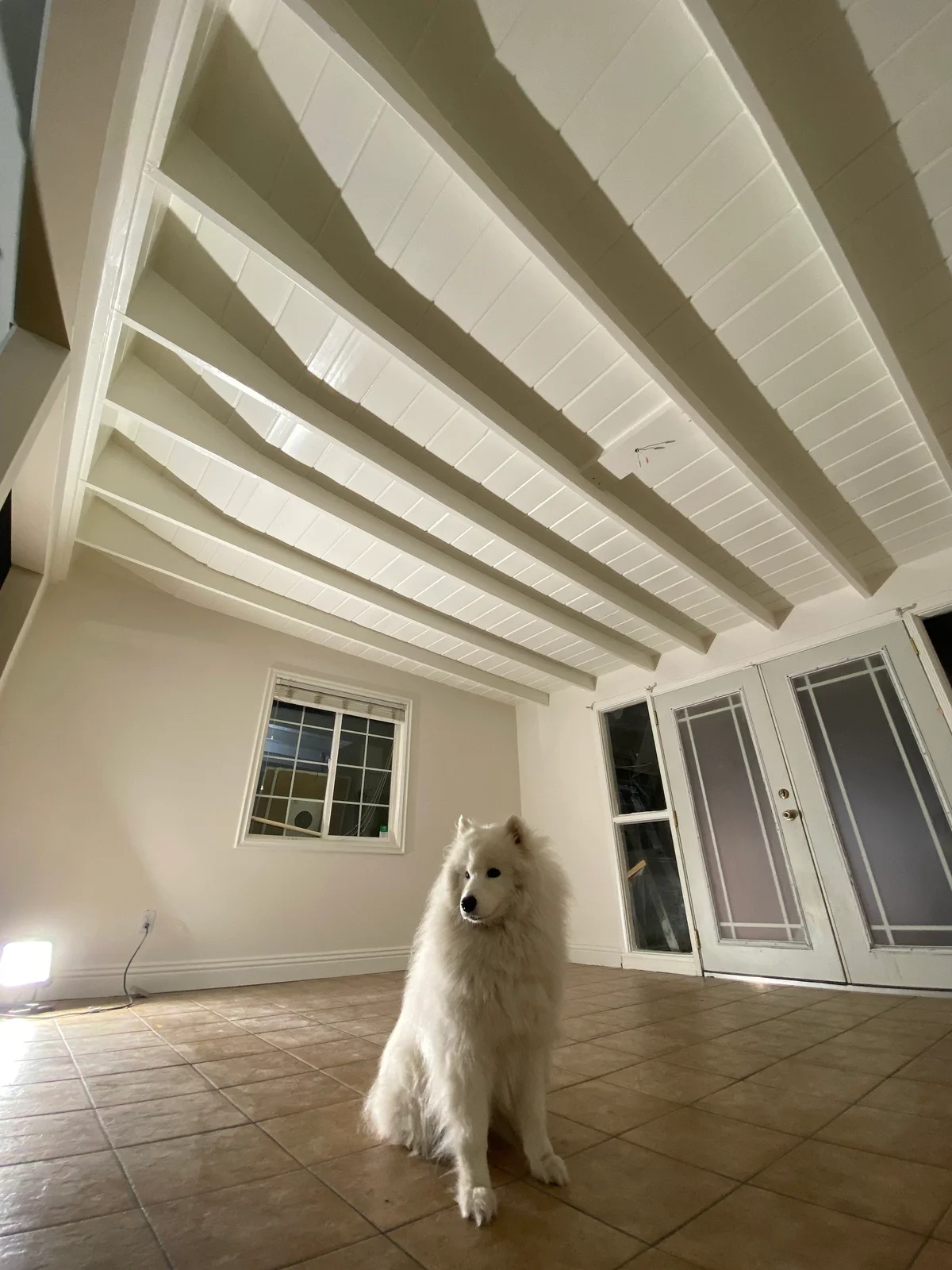
When painting a home with kids and pets, safety, durability, and ease of cleaning are key. Here's what you need to know:
- Choose Low-VOC or Zero-VOC Paints: These reduce harmful fumes, making the air safer for children and pets. Look for certifications like GREENGUARD Gold or Green Seal GS-11.
- Pick Durable Finishes: Satin is great for high-traffic areas; semi-gloss works well for trim and doors. These finishes resist scuffs and are easy to clean.
- Plan Ahead: Paint one room at a time, keep kids and pets away during the process, and ensure proper ventilation. Wait at least 24 hours before re-entering freshly painted rooms.
- Protect Surfaces: Use drop cloths and cover furniture to prevent paint splatters. Keep tools and paint cans out of reach.
- Maintain Walls: Clean with mild soap and water once the paint cures (2–4 weeks). Touch up chips and scratches promptly to extend the life of your paint job.
Choosing Safe and Durable Paints for Family Homes
VOCs Explained and Why Low-VOC Paints Matter
VOCs, or volatile organic compounds, are carbon-based chemicals found in many traditional paints. They help the paint stay liquid and dry properly but come with a hidden downside - they continue to release harmful gases into the air long after the paint has dried. In fact, indoor air often has VOC levels 2 to 5 times higher than outdoor air. After painting, these levels can skyrocket to as much as 1,000 times outdoor concentrations. This is especially concerning for children, who breathe faster and have developing lungs, making them more susceptible to these chemicals. VOC off-gassing can last anywhere from 2 to 4 weeks, and in some cases, even stretch up to 6 months.
Thankfully, safer options like low-VOC (under 50 g/L) and zero-VOC (under 5 g/L) paints are widely available. However, be cautious: "zero-VOC" often refers only to the base paint. Adding colorants during tinting may reintroduce VOCs unless a zero-VOC tinting system is used. Always double-check the VOC rating of the final tinted product before purchasing. To further ensure safety, look for third-party certifications such as GREENGUARD Gold or Green Seal GS-11. Notably, Green Seal GS-11 will ban all PFAS - commonly called "forever chemicals" - starting in 2025. This is a significant step, especially since a 2023 study revealed that about 50% of tested paints contained PFAS, even in some products labeled as "eco-friendly".
Once you've chosen a low-VOC paint, pairing it with the right paint type and primer can make a big difference.
Picking the Right Paint Types and Primers
After selecting a low-VOC option, the next step is to choose a paint type that complements it. For family homes, 100% acrylic latex paint is an excellent choice. It’s durable, resists scuffs, and cleans up easily with soap and water. On the other hand, oil-based paints, which can contain VOC levels as high as 350 g/L, are less ideal for indoor spaces frequented by children and pets.
In high-traffic areas or on walls with stains, using a quality primer is crucial. A stain-blocking primer, like KILZ Premium, can prevent discolorations or old marks from bleeding through the new paint. If odors are a concern - common in homes with pets - look for primers with odor-blocking features.
Best Finishes for High-Traffic Areas
The finish you choose plays a big role in how well your paint withstands daily wear and tear.
"Sheen choice is one of the most consequential decisions in an interior paint project and it's one of the most consistently gotten wrong." - Simplify Painting
Here’s how to match finishes to different surfaces for long-lasting results:
Recommended Finishes
| Surface | Recommended Finish | Why It Works |
|---|---|---|
| Hallways and kids' rooms | Satin | Resists scuffs and is easy to clean |
| Trim, doors, and baseboards | Semi-gloss | Forms a hard, moisture-resistant surface |
| Cabinets and high-use furniture | High-gloss / Enamel | Offers maximum stain and impact resistance |
| Ceilings | Flat / Matte | Hides imperfections in low-traffic areas |
For high-traffic areas like hallways or kids' rooms, satin finishes are a great choice - they can last 5 to 7 years with proper care. In contrast, flat paint in similar conditions might need to be redone after just 1 to 2 years. For trim and baseboards, a semi-gloss enamel finish provides exceptional durability and requires minimal maintenance, making it a smart pick for busy households.
Color and Sheen Choices for Busy Homes
Light vs. Dark Colors: Stains, Scuffs, and Wear
Once you've chosen safe, durable paints, the next step is picking colors and sheens that can handle the wear and tear of daily life. The practicality of a color in a busy home depends on its ability to mask everyday messes. Light shades, like bright white, tend to highlight fingerprints, smudges, and spills. On the flip side, very dark colors can make dust, pet hair, and scuffs stand out. A happy middle ground lies in mid-toned neutrals with warm undertones - think shades like oatmeal, taupe, mushroom, or greige. These hues naturally soften the appearance of dirt and marks. Cooler tones, such as icy grays, tend to do the opposite, making blemishes more noticeable. Now, let’s look at how to pair these colors with the right finishes for each room.
Color and Sheen Picks by Room
Matching the right finish to each room’s needs can make your paintwork more durable and easier to maintain. Satin finishes are great for areas with lots of activity, while eggshell works well in rooms with less traffic. Below are specific recommendations for different spaces:
| Room | Recommended Color | Recommended Finish |
|---|---|---|
| Family Room | BM Edgecomb Gray or SW Accessible Beige | Satin or Washable Eggshell |
| Hallways | SW Accessible Beige or BM Revere Pewter | Satin |
| Playrooms | SW Silver Strand | Scuff-resistant Matte or Satin |
| Mudrooms | BM Revere Pewter (lower) / White Dove (upper) | Semi-gloss (lower) |
| Kitchens | Warm neutrals/greiges | Semi-gloss or Satin |
For areas like playrooms and hallways, it’s worth investing in paints designed for heavy use. Products like Behr Ultra Scuff Defense (around $41.98 per gallon) or Benjamin Moore Regal Select in matte (approximately $84.99 per gallon) include stain-release technology, making it easier to clean without damaging the finish.
Using Accent Walls and Two-Tone Designs for Added Protection
To give high-traffic areas extra durability, consider incorporating design techniques like accent walls or two-tone wall designs. For example, painting the lower portion of a wall in a darker, scrubbable finish can protect against frequent contact, while the upper section remains lighter for a balanced look. Adding wainscoting or other design elements can further enhance this protective barrier. In playrooms, a single darker accent wall with a scrubbable finish can act as a designated "mess zone." If you choose a bold or deeply saturated color for an accent wall, keep in mind that it may require a longer airing-out period due to higher VOC levels from the extra tint.
Preparing Your Home for a Safe Painting Process
Keeping Kids and Pets Away During Painting
Painting can be tricky when you have kids and pets, but a bit of planning goes a long way. Start by focusing on one room at a time. This keeps the disruption contained and allows the rest of your home to function normally. Set up a "safe room" in another part of the house - stock it with toys, snacks, and pet supplies to keep everyone comfortable. Use baby gates or simply close doors to keep curious little ones or pets out of the work area.
Timing is everything. Plan painting sessions during school hours, nap times, or other quiet periods. To manage fumes, cross-ventilation is a lifesaver - place a box fan in one window and open windows on the opposite side of the room to quickly air it out.
Even with low-VOC, water-based paints, safety precautions matter. These paints may dry to the touch in 2–4 hours, but it’s best to wait at least 24 hours before letting kids or pets spend time in the room. For nurseries, play it extra safe and wait 48–72 hours. The table below provides a handy guide for safe re-entry times based on paint type:
| Paint Type | Safe to Enter Room | Safe to Sleep in Room |
|---|---|---|
| Low-VOC Water-Based | 2–4 Hours | 24 Hours |
| Oil-Based | 4–6 Hours | 2–3 Days |
Keep emergency numbers handy, like Poison Control (1-800-222-1222) and your vet’s contact info. If your pet gets paint on their fur, clean it gently with mild dish soap and warm water - never use solvents or paint thinners.
Once your family and pets are safe, it’s time to safeguard your belongings from accidental splatters.
Protecting Furniture, Floors, and Fixtures
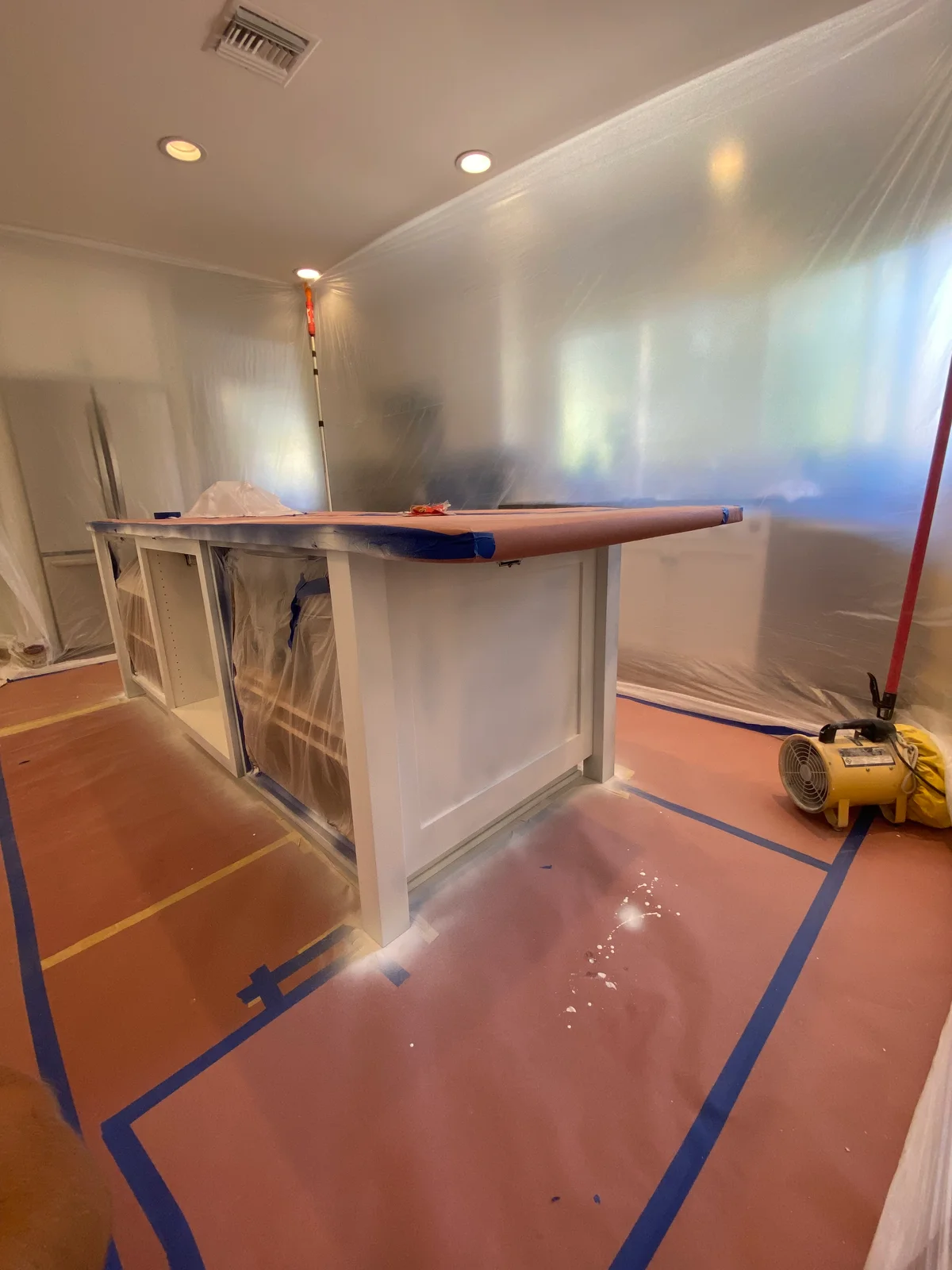
Before you even pop open a paint can, take some time to move or reposition furniture and décor. For items that can’t be moved, cover them with plastic sheeting or canvas drop cloths. Canvas is a better option because it stays put and absorbs drips more effectively than plastic.
Secure the edges of drop cloths with tape, and keep cords tucked away to avoid tripping hazards - especially if kids or pets are nearby. Always close paint cans when not in use, and store ladders and tools in a safe spot at the end of the day.
If you have pets, don’t forget about their unique needs. Cover fish tanks and relocate bird cages to avoid exposing them to fumes.
With your furniture and floors protected, you can shift your focus to making your walls more durable.
Adding Extra Protection to High-Impact Areas
In busy households, the lower portions of walls take the most hits. From scuffs to fingerprints, these areas see it all. Using a semi-gloss or satin finish here can make a huge difference. These finishes are much easier to clean than matte paint and are especially useful for high-traffic spots like baseboards, corners, and trim.
For added durability, consider installing wainscoting in areas like mudrooms, stairwells, or breakfast nooks. This extra layer protects walls from daily wear and tear while being easier to clean than standard drywall. Pair wainscoting with scrubbable paint on the upper walls, and you’ve got a setup that can handle the demands of a bustling family life.
Cleaning and Touching Up Painted Surfaces Over Time
How to Clean Painted Walls Without Causing Damage
Freshly painted walls need time to cure - usually 2 to 4 weeks - before you can safely clean them. Cleaning too soon can leave shiny marks or dull patches that are permanent.
"Protecting paint in the early weeks after a project directly affects how well it holds up long term. Patience in week one saves you a repaint in year two." - Sherwin-Williams
When cleaning is safe, always start at the bottom of the wall and work your way up. This prevents streaks from cleaning solutions dripping onto untouched areas. For most spots, a damp, non-abrasive sponge will do the trick. For tougher messes, mix a few drops of mild dish soap with warm water, then rinse with clean water. Avoid melamine foam sponges (like Magic Erasers) on any finish - they act like fine sandpaper and can strip the paint's top layer.
The paint's finish also determines how you should clean:
- Satin and semi-gloss finishes: These can handle regular wiping with mild soap and water.
- Flat or matte finishes: Use a barely damp sponge without soap to avoid damaging the surface.
Fixing Stains, Scuffs, and Scratches
For scuffs caused by shoes or pet nails, start by cleaning the area. If marks persist, try gently rubbing a clean tennis ball over rubber scuffs. On satin or glossy finishes, a small amount of white non-gel toothpaste on a cotton swab can help remove stubborn marks.
For deeper scratches or chips, especially those exposing drywall, follow these steps:
- Clean the area with a damp cloth.
- Fill chips with lightweight spackle and let it dry.
- Lightly sand the area with 120-grit sandpaper.
- Apply a coat of primer before touch-up painting.
- Use a stippling or dabbing motion with a small brush to match the original roller texture and blend the repair.
"The flatter the finish, the easier to touch up; the glossier the finish, the more challenging." - Benjamin Moore
When to Repaint and How to Stay Prepared
If cleaning and touch-ups no longer work, it’s time to repaint. High-traffic areas, in particular, will eventually need a fresh coat. Here’s a general timeline based on room type:
| Room | Repaint Frequency | Recommended Finish |
|---|---|---|
| Hallways/Entryways | Every 2–4 years | Satin |
| Kitchens | Every 3–5 years | Satin or Semi-Gloss |
| Bathrooms | Every 3–4 years | Satin or Semi-Gloss |
| Kids' Rooms | Every 2–5 years | Satin |
| Adult Bedrooms | Every 5–8 years | Flat or Eggshell |
Keep track of paint details - such as brand, color, sheen, and the room it was used in - by writing them on the back of a light switch plate or in a paint log. Store leftover paint in a sealed container at room temperature (60°F–80°F). Avoid places like the garage, as freezing temperatures can ruin latex paint. Properly stored latex paint can last up to 10 years for touch-ups.
Conclusion: Building a Painted Home That Works for Your Family
Living with kids and pets doesn’t have to mean constantly repainting or dealing with scuffed walls. By making smart choices upfront - like selecting the right paint type, finish, and color - you can reduce maintenance and keep your walls looking great for longer.
Opt for low-VOC or zero-VOC paints to maintain good indoor air quality. Certifications such as GREENGUARD Gold, Green Seal, or Asthma & Allergy Friendly ensure the paint meets strict emission standards. Once you’ve chosen a safer paint, picking the right finish will help protect your walls from everyday wear and tear.
"Kids are particularly vulnerable because their lungs are still developing, and they breathe more rapidly than adults. Pets are also at risk, as their smaller bodies and proximity to the floor mean they inhale a higher concentration of these emissions." - EG Contracting Services
When it comes to durability, finishes matter. Satin is a better option than flat paint for high-traffic areas like hallways and kids’ rooms, while semi-gloss is perfect for trim, baseboards, and doors that take the most impact.
Think of your paint choices as an investment. Pairing the right sheen with each room’s purpose and addressing scuffs quickly can prevent bigger problems down the road. With a little effort, you can create a home that not only stands up to daily life but also keeps your family safe and comfortable.
FAQs
Are “zero-VOC” paints still safe after tinting?
Zero-VOC paint bases typically contain less than 5 grams per liter of volatile organic compounds. However, when store tints are added, the VOC levels can increase. To ensure the paint remains safer, ask for zero-VOC colorants from brands like Benjamin Moore or Sherwin-Williams. It's also a good idea to review the technical data sheet for the actual VOC content, rather than depending only on the label on the can.
What’s the best kid- and pet-proof paint for walls and trim?
For walls that can stand up to the chaos of kids and pets, Huff Painting Co. suggests using high-quality satin or scrubbable eggshell finishes. These finishes are built to resist scuffs, stains, and frequent cleanings while still looking great. For areas like trim, doors, and other spots that see a lot of action, semi-gloss is the way to go - it offers extra durability and holds up well over time.
And don’t forget: always opt for low-VOC or zero-VOC paints. They help keep the air in your home safer and healthier for both your family and your furry friends.
How can I paint while keeping pets and kids safely out of the way?
To ensure kids and pets stay safe during a painting project, set up "no-go zones" using baby gates or by closing doors. For pets, you might want to arrange temporary boarding or move them to a quiet, well-ventilated room. Try to schedule painting during times like school hours, daycare, or naps to minimize interruptions. And don’t forget to keep paint cans, brushes, and tools securely out of reach when not in use.
More guides
- Painting Your Home Before Selling: What to Paint and What to Skip
- Professional vs DIY Painting: A Realistic Cost Comparison
- Repainting an Altadena Home After the Eaton Fire: Smoke Sealing, Primers, and Realistic Timelines
- Smoke Damage Painting After the Eaton Fire
- The Best Accent Wall Colors for San Gabriel Valley Homes in 2026
Related painting services
If this article covers something you are planning, these pages go into what the work actually involves on a job.
- Interior painting for walls, ceilings, trim, and cabinets, including how we mask and protect a house you are still living in.
- Single family home painting for a whole house inside or out, from the first walkthrough to the final punch list.
- Apartment building painting for owners and property managers with occupied units and common areas that have to keep working.
- Painting in Pasadena and the rest of the San Gabriel Valley, with the local prep, permit, and historic district notes that apply there.