
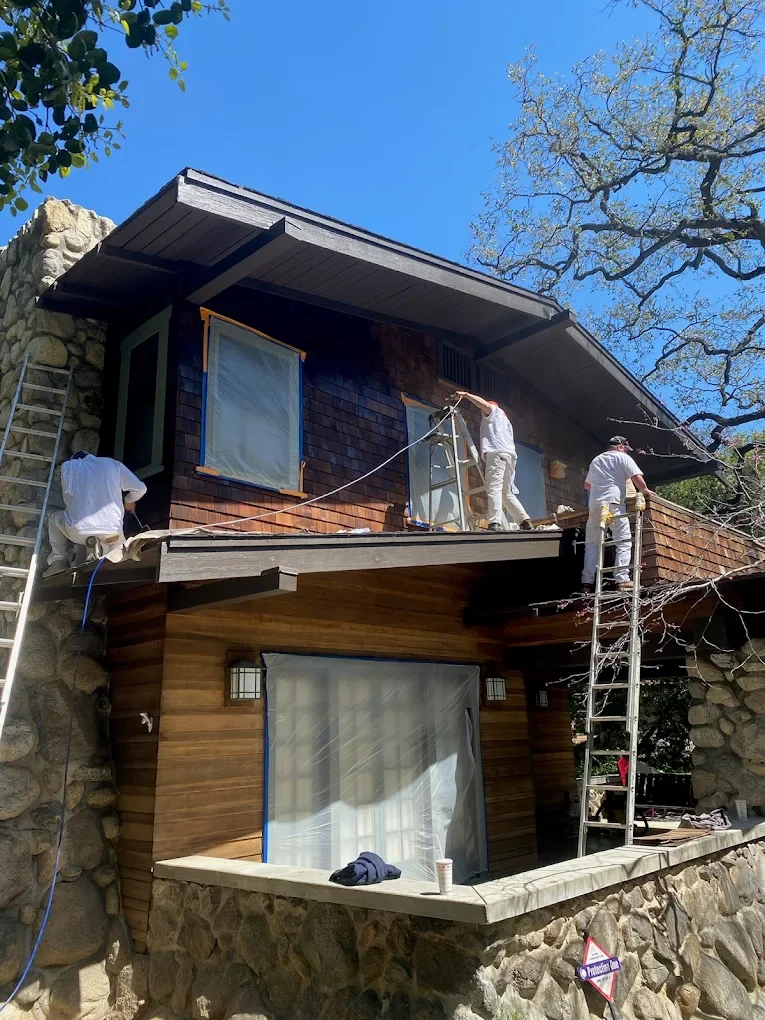
You do not need to paint the whole house before you sell. I’d focus on the spots buyers notice first: main living areas, the entry, kitchen, primary bath, worn trim, interior doors, and the front door.
A full repaint can run $8,000 to $20,000 for a typical three-bedroom home. Meanwhile, repainting a secondary bedroom may cost $400 to $900, and a closet or utility room can cost $300 to $800 with little effect on buyer interest. So the goal is simple: paint what looks worn, dated, or highly visible - and skip what already looks clean and neutral.
Here’s the short version:
- Paint first: entryway, living room, family room, primary bedroom, kitchen, primary bathroom, trim, baseboards, interior doors, front door, and entry trim
- Use: warm white, greige, soft beige, warm gray, and crisp white on trim and doors
- Skip: clean neutral rooms, closets, garages, utility rooms, and full-house repaints when touch-ups will do
- Start early: plan 4 to 6 weeks before listing photos
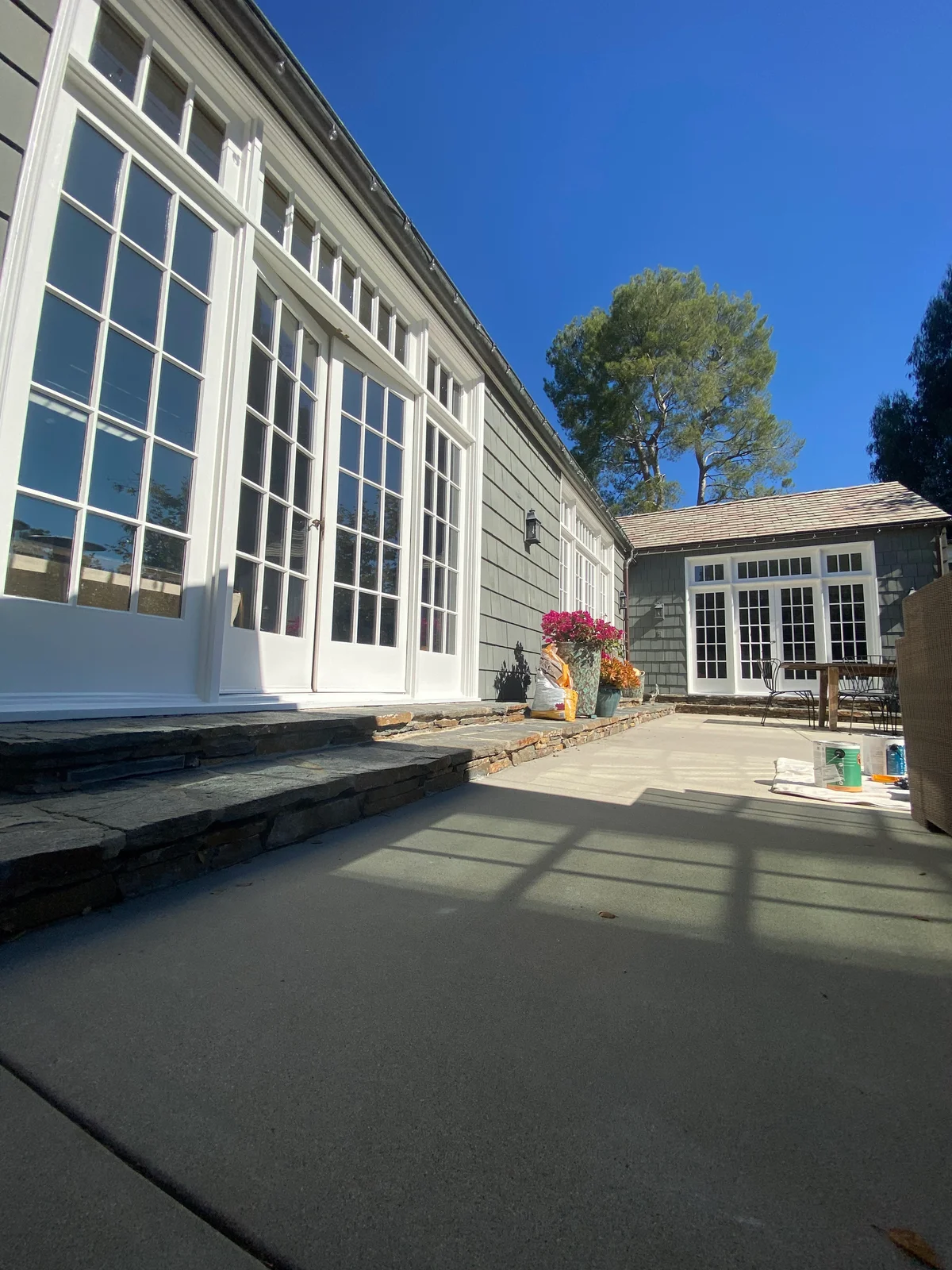
Quick Comparison
| Area | Paint or Skip? | Why |
|---|---|---|
| Living room, family room, entry | Paint | Buyers see these first; scuffs and bold colors stand out |
| Primary bedroom | Paint | Helps the room look clean and easy to picture |
| Kitchen and primary bathroom | Paint | Buyers look here for signs of care |
| Trim, baseboards, interior doors | Paint if worn | Chips and marks can make the home look neglected |
| Front door, entry trim, shutters | Paint if faded | Helps curb appeal without a full exterior job |
| Secondary bedrooms in good shape | Skip | Cost may not pay off |
| Closets, garage, utility room | Skip | Cleaning and decluttering usually matter more |
| Whole-house repaint | Usually skip | High cost unless damage or color problems are everywhere |
My rule: if buyers will see it fast and the paint looks rough, fix it. If they won’t notice it, leave it alone.
Paint These Areas First: Where Buyers Pay the Most Attention
Use three simple filters here: condition, visibility, and cost. Start with the spaces that shape first impressions. In plain English, paint the rooms buyers notice first, and skip anything that won’t move the needle. If a room has visible wear or a dated color that could hurt the sale, it goes to the top of the list.
Main Living Areas, Entryways, and the Primary Bedroom
The living room, family room, entryway, and primary bedroom tend to show wear fast. Scuffs, patch marks, and bold personal colors jump out right away.
A new coat of paint in a light neutral can make these rooms feel brighter and easier to picture as someone else’s home. That matters. Buyers want to imagine their own furniture and décor in the space, not feel like they’re walking through someone else’s style. Dark shades or very personal color choices can limit appeal, so a soft warm white or another light neutral is usually a smart move before listing. After that, turn to the rooms buyers look at for signs of upkeep.
Kitchens, Bathrooms, and Worn Trim or Interior Doors
Kitchens and bathrooms carry a lot of weight with buyers. When the paint looks dull or damaged, the whole home can feel poorly maintained.
Don’t stop at the walls. Worn trim, interior doors, and baseboards are worth freshening up too, especially in busy parts of the house. These spots take a beating, and chips, scuffs, or built-up grime can make neglect stand out more than sellers expect.
Front Door, Entry Trim, and Key Exterior Details
Outside, begin with the front door and entry trim. The front door is one of the biggest curb-appeal details, and a fresh coat in a muted color with a semi-gloss sheen can make the entrance look cleaner and more polished.
Then check the nearby details: entry trim, railings, and shutters. If they’re chipped or faded, touch them up. Painting shutters to match or complement the front door helps tie the look together without paying for a full exterior repaint. These small updates usually cost less and can make the home feel more cared for from the moment buyers pull up.
Once those high-impact areas are done, the next step is picking colors that look clean and neutral.
Neutral Colors That Work Best for U.S. Home Listings
Once you’ve picked the rooms that matter most, the next step is color. The goal is simple: make each space feel clean, bright, and move-in ready.
Top Interior Color Choices: Warm White, Greige, Soft Beige, and Light Gray
Stick with warm white, greige, soft beige, or warm gray. These neutral shades tend to work well in living rooms, bedrooms, kitchens, and bathrooms without taking over the space.
One thing matters here: test each color on the actual wall first. Neutrals can look very different depending on the room’s natural light, so a shade that looks perfect on a paint chip may land differently once it’s up.
Use Crisp White on Trim, Doors, and Ceilings
For trim and doors, go with a clean white or a soft creamy white. That helps define edges and keeps the room looking polished without clashing with warmer wall colors.
Once you’ve settled on the wall color, trim and doors should complete the room, not fight for attention.
Avoid Bold Accent Colors and Dark, Themed Rooms Before Listing
Skip bold accent walls and dark, themed rooms before listing. Strong colors can pull attention away from the space itself and make it harder for buyers to picture their own furniture and style in the home.
Projects to Skip: Where Repainting Adds Little Return
Once you’ve picked the color palette, don’t keep painting just for the sake of it. Put money only into spaces where wear, damage, or old color will change how buyers see the home.
Rooms Already in Good Condition
Skip rooms that are already neutral, clean, and free of visible wear. Repainting a secondary bedroom can cost $400 to $900 without doing much for buyer appeal.
Low-Visibility Areas: Closets, Garages, and Utility Rooms
These spaces rarely shape a buyer’s decision. That said, a messy or dirty closet, garage, or utility room can still leave a bad impression. In most cases, decluttering and deep cleaning do more than a new coat of paint.
Repainting a closet or utility room usually costs $300 to $800, with little buyer appeal to show for it. Unless you’re dealing with heavy stains or major damage, skip the paint and put your effort into cleaning and organization.
When wear is visible, paint it; when it isn't, leave it alone.
Full Repaints or Cabinet Work With Weak Visual Return
Watch out for project creep. One rough wall can turn into a full interior repaint before you know it, and that can cost $8,000 to $20,000 for a typical three-bedroom home. If the problem is just scuffs or small dings, minor repairs and touch-ups are often enough.
Conclusion: Focus Your Pre-Sale Paint Updates Where They Count
Once you’ve picked the rooms with the most impact, the next move is simple: keep the scope tight.
Use condition, visibility, and cost to decide what gets painted. Put your time and budget into the surfaces that shape first impressions right away: main living areas, kitchens, primary bathrooms, the front door, entry trim, and worn interior doors. Go with neutral tones, and skip rooms that already look good.
Timing matters too. Before photos are scheduled, start 4 to 6 weeks ahead so there’s enough time for prep, paint, repairs, and listing photos.
For local sellers in Sierra Madre and the San Gabriel Valley, Huff Painting Co. can help define a narrow, high-impact scope centered on the rooms and surfaces that matter most.
FAQs
Should I paint before listing or after moving out?
Yes, painting after you move out is a smart way to get your home ready for the market. With no furniture or personal items in the way, painters can work more smoothly and cover walls, trim, and corners with more care.
When the home is vacant, you also skip the hassle of moving, covering, or protecting furniture. That makes the whole job easier and helps the space look clean and move-in ready before showings.
How do I know if touch-ups are enough?
Touch-ups are usually enough when the paint still looks good overall and the damage is limited to small scuffs, nicks, or marks.
If you notice fading, peeling, or wear across larger areas, a full repaint is often the better move. Aim to handle small touch-ups about six weeks before you list the home, then do one final walkthrough to spot anything you missed.
Which neutral paint colors help homes sell faster?
Neutral tones that feel warm, welcoming, and polished usually work best. Good picks include greige, mushroom, taupe, warm cream, warm gray, and muted blue.
These shades often feel softer and more inviting than stark white. But paint can be a bit tricky. Light shifts everything. A color that looks cozy in the store can feel flat at home.
That’s why it helps to test a few samples in your space first. Check them at different times of day and see how they hold up. You want the color to read warm, not dull.
More guides
- Smoke Damage Painting After the Eaton Fire
- The Best Accent Wall Colors for San Gabriel Valley Homes in 2026
- Understanding Paint Sheens: Which Finish for Which Room
- Painting Your Airbnb, Tips for Maximum Booking Appeal
- Whole House Repaint in Pasadena, What a Full Interior and Exterior Project Actually Involves
Related painting services
If this article covers something you are planning, these pages go into what the work actually involves on a job.
- Interior painting for walls, ceilings, trim, and cabinets, including how we mask and protect a house you are still living in.
- Single family home painting for a whole house inside or out, from the first walkthrough to the final punch list.
- Apartment building painting for owners and property managers with occupied units and common areas that have to keep working.
- Painting in Pasadena and the rest of the San Gabriel Valley, with the local prep, permit, and historic district notes that apply there.