
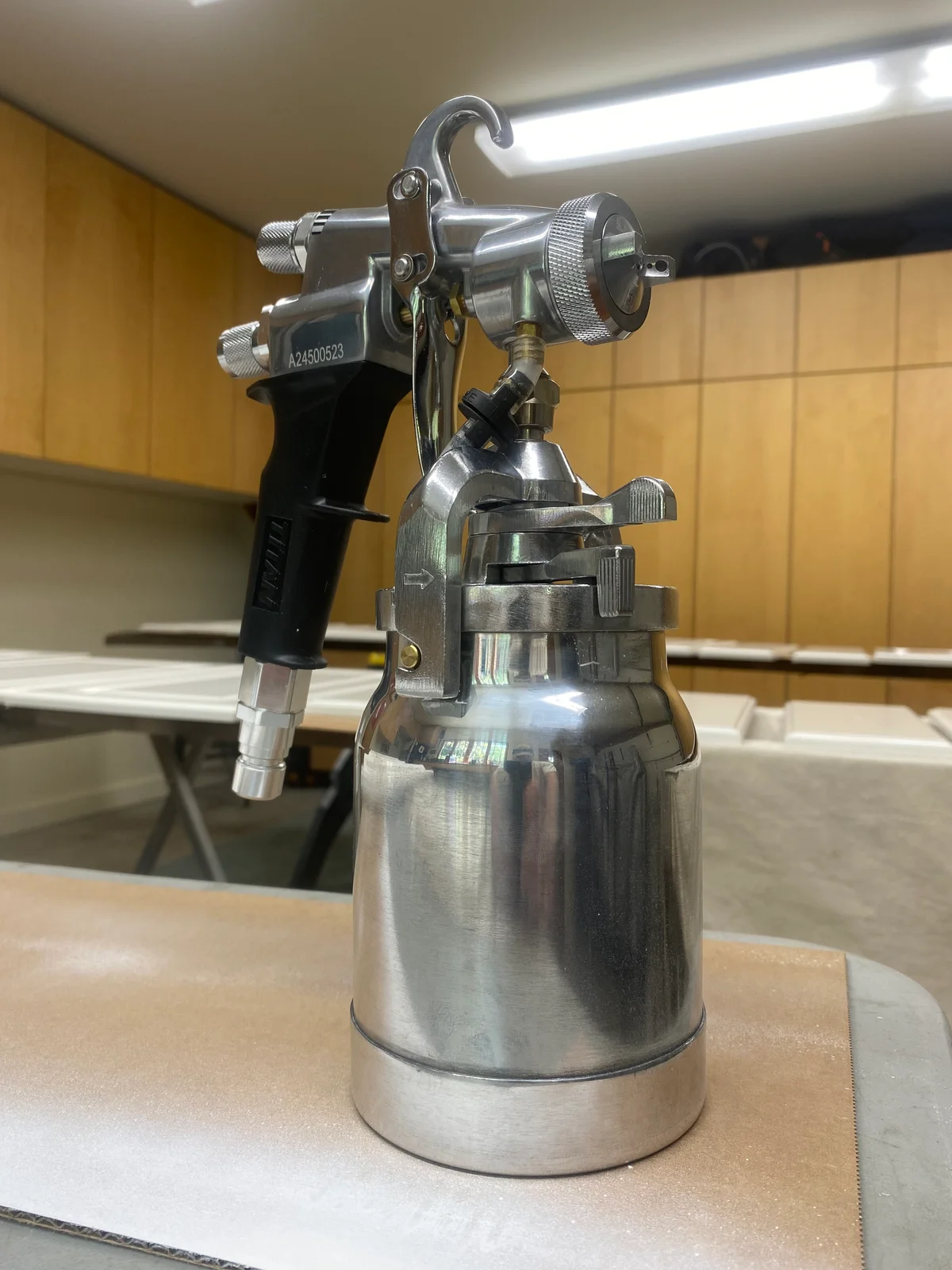
The low price of DIY painting can be misleading. In many cases, you save cash upfront, but you spend more time, buy more gear, and face a higher chance of rework.
If I boil this down to the plain answer, it’s this:
- DIY fits smaller, low-risk jobs
- Professional painting often makes more sense for large, visible, or hard-to-reach work
- The full cost is more than paint: it includes tools, prep, extra materials, lost time, and fixing mistakes
- DIY can take 4 to 8 times longer than pro work
- Labor makes up about 70% to 85% of a pro quote, but that usually includes prep, materials, equipment, insurance, and warranty
- A bad DIY result can cost 1.5x to 2x more to fix than hiring a painter from the start
Here’s the short version by project type:
- Interior room: DIY often runs $125 to $350, while a pro may charge $300 to $1,100
- Exterior of a 2,000 sq. ft. home: DIY may cost $2,000 to $2,500, while professional work often lands around $3,000 to $12,000
- Commercial turnover or touch-up work: the main issue is often downtime, not just labor or paint cost
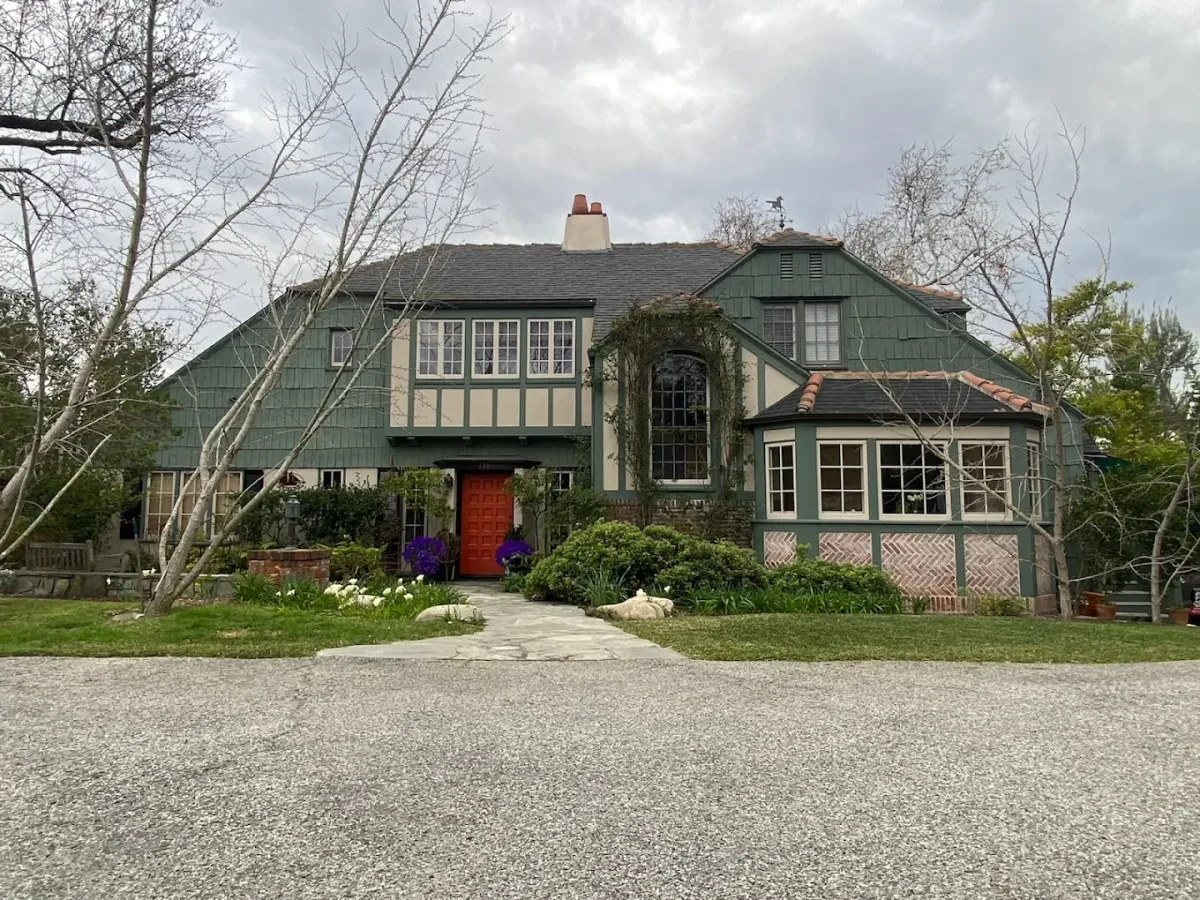
Quick Comparison
| Project | DIY Cost | Pro Cost | DIY Time | Pro Time | Best Fit |
|---|---|---|---|---|---|
| Interior room (12×12) | $125–$350 | $300–$1,100 | 8–20 hours | 3–6 hours | DIY for simple rooms |
| Exterior, 2,000 sq. ft. | $2,000–$2,500 | $3,000–$12,000 | 80–120+ hours | 3–5 days | Pro for most homes |
| Commercial turnover | Under $500 for small touch-ups; more by scope | Varies by scope | 2–4 weeks | 3–7 days | Pro when downtime costs money |
My takeaway: if you care most about time, finish quality, or long-term wear, hiring a painter often wins. If the job is small, the walls are in good shape, and you already have the tools, DIY can still be the lower-cost path.
Below, I break down where the money goes, where DIY savings shrink, and when paying more upfront can cost less over time.
Cost Breakdown: Professional Painting vs DIY
What Professional Painting Typically Costs
The big difference is simple: a professional quote rolls labor, prep, and equipment into one price. In most cases, that quote includes labor, materials, insurance, and a warranty.
Labor is the biggest share of the bill. It usually makes up 70% to 85% of what you pay for a professional paint job. And that labor isn't just for putting paint on the wall. It also covers the slow, messy work that comes first - patching holes, sanding rough spots, caulking gaps, and masking trim.
Pros also bring their own gear. That often includes sprayers, scaffolding, drop cloths, and ladders. So when you look at the price, you're not just paying for time. You're paying for prep, tools, and the setup that keeps the job moving.
Here's one thing a lot of homeowners miss: professional painters often buy paint at 30% to 50% below retail. That price break helps shrink the gap between hiring a pro and doing it yourself.
What DIY Painting Actually Costs
Paint is only one piece of the DIY bill. For a 1,800-square-foot interior, the biggest out-of-pocket costs usually include:
- Paint and primer - the biggest single expense, but far from the only one
- Brushes, rollers, and covers - decent tools can get pricey fast
- Prep supplies - tape, caulk, spackle, sandpaper, and drop cloths
- Ladder and extension equipment - often bought or rented for the project
For that kind of job, a realistic materials total is about $1,430 before you add the "oops tax". That's the extra 15% to 25% of paint many DIYers end up needing because of spills, thin coverage, or a second coat they didn't plan for.
And this is where things start to snowball. As the project gets bigger, the prep gets harder, or the equipment list gets longer, those out-of-pocket costs climb in a hurry.
Where the Biggest Cost Differences Show Up
Once you split labor from materials, the biggest gaps usually come from prep and rework.
Prep is where many DIY projects go sideways. Most people don't underestimate the painting itself - they underestimate everything that has to happen before the first coat. Patching, sanding, caulking, and masking make up 30% to 50% of a professional project's total time. Rush that part, and the finish often starts to break down much sooner.
Rework is the other big cost divider. A bad DIY paint job doesn't just look rough. It can cost 1.5x to 2x what a professional would have charged to do it right the first time. That's where the lower upfront price can turn into the more expensive path.
These starting costs can shift fast depending on the project - especially when you're looking at single rooms, exterior work, or turnover jobs.
Cost Examples by Project Type
The cost gap shifts by project type because access, prep work, and downtime don't hit every job the same way.
Interior Room Repaint
Take a standard 12×12 bedroom. If you do it yourself, you're usually looking at $125 to $350 for paint, primer, tape, drop cloths, and basic supplies. Time is the bigger tradeoff: most DIY painters spend 8 to 20 hours on one room once you factor in prep, two coats, and cleanup.
A pro crew can handle that same room in 3 to 6 hours for about $300 to $1,100, with the final price shaped by wall condition and trim detail. That speed matters more than people think. One rough patch, uneven edge, or missed repair can drag the job out fast.
If you don't already own the gear, first-time tool costs can tack on another $200 to $500 for things like ladders, extension poles, and drop cloths. And when the room needs patching or drywall repair, the job gets slower and the finish gets tougher to pull off cleanly.
Exterior House Painting
Exterior jobs are where the gap opens up fast.
A DIY exterior paint job on a 2,000-square-foot home often costs around $2,000 to $2,500 out of pocket. That total includes about $600 to $1,000 for tools or rentals like pressure washers, airless sprayers, 28-foot ladders, and scaffolding. Hire a pro, and the same house averages about $6,000, with a range of $3,000 to $12,000 based on siding type, home height, and prep work.
The time difference is huge. A professional crew can usually wrap a full exterior in 3 to 5 days. A DIYer working weekends may put in 80 to 120+ hours - about a month of weekends.
Then there's risk. Exterior work has the toughest access issues, and ladder falls lead to more than 165,000 emergency room visits each year in the U.S.. If the paint job fails, the fix can get expensive fast. Full stripping turns what looked like a money-saving project into a much bigger bill.
Commercial Touch-Up or Turnover Work
For rentals and business spaces, speed often matters just as much as the paint cost.
A professional crew can finish a full unit or suite in 3 to 7 days, while DIY turnover work can stretch to 2 to 4 weeks. For property managers, that delay can mean vacancy loss and slower move-ins, which may cost more than the labor itself. Pro crews also bring code compliance and liability coverage, which can matter a lot on commercial work.
For small touch-ups under $500, in-house staff work often makes sense since many painters won't take jobs that small. But once you're talking about full-unit turnovers - or any space where appearance affects leasing, sales, or client perception - the faster schedule and steadier finish often make the added spend easier to justify.
| Project Type | DIY Cost | Professional Cost | DIY Time | Pro Time |
|---|---|---|---|---|
| Interior Room (12×12) | $125 – $350 | $300 – $1,100 | 8 – 20 hrs | 3 – 6 hrs |
| Exterior (2,000 sq ft) | $2,000 – $2,500 | $3,000 – $12,000 | 80 – 120+ hrs | 3 – 5 days |
| Commercial turnover | Small touch-ups may stay under $500; larger turnovers vary by scope | Varies by scope | 2 – 4 weeks | 3 – 7 days |
Pricing varies by surface condition, location, paint grade, and prep.
When DIY Works and When a Professional Is Worth the Cost
Projects Where DIY Can Save Money
Not every paint job needs a full crew. Some small, low-risk projects still make good DIY candidates.
DIY tends to work best when the scope is limited and the job is easy to manage. Think newer homes with smooth drywall, little to no wall damage, and no furniture in the way. Vacant units are often much simpler because you’re not working around beds, couches, and packed closets. The sweet spot is a project with light prep, no rental equipment, and no risk of dragging on for days.
A smart middle ground is to do the prep yourself and bring in a painter for the final coat. Patching small holes, light sanding, and taping are all tasks many homeowners can handle. That kind of hybrid setup can trim labor costs by 15% to 25%.
Projects Where Hiring a Professional Costs Less in the Long Run
The math shifts when the job affects durability, safety, or resale value. A project may look cheaper at first, then get expensive fast once you factor in repairs, repainting, or your own time.
Cabinets are a good example. They need better adhesion, a smoother finish, and more involved prep than a standard wall. That’s where pro work often pays off.
Older homes are another case. Pre-1978 properties need EPA lead-safe containment, and that can push pro quotes up by 20% to 30%. Still, that cost can be easier to swallow than dealing with the risk and cleanup yourself. Exterior work can get even more expensive if it goes wrong. If a failed paint job has to be stripped down to bare substrate, the fix can cost double the original professional quote.
If you’re getting a house ready to sell, quality matters even more. Clean, well-done paint helps protect resale value. A rough DIY finish can do the opposite.
How to Make the Decision
The simplest way to decide is to look at three things: project size, finish quality, and your time.
Here’s the plain-English version: if the job will eat up a full weekend or more, and you need the finish to last, hiring a pro often costs less in the end.
Professional interior paint jobs usually last 7 to 10 years. DIY finishes often need touch-ups or even a full repaint in 3 to 5 years. So for visible rooms, tight timelines, or surfaces where mistakes are pricey to fix, the higher upfront quote can still be the cheaper path overall.
| Situation | DIY | Professional |
|---|---|---|
| Single room, smooth walls, good condition | ✓ Practical | May not be cost-effective |
| Kitchen cabinets | High chipping risk | ✓ Specialized equipment needed |
| Multi-story exterior | Safety risk, complex prep | ✓ Insured, proper tools |
| Pre-1978 home | Needs lead-safe handling | ✓ Certified and compliant |
| Vacant rental turnover | Efficient without furniture | ✓ Faster turnover |
Conclusion: Base Your Decision on Total Cost, Not Just the Upfront Price
The upfront quote is just one piece of the bill. Across the projects above, the lowest sticker price does not always lead to the lowest total cost. DIY can look cheaper at first, but tools, extra paint, rework, and your own time can eat into those savings fast. The better comparison is materials, time, prep work, and the price of fixing mistakes.
What matters most is simple: do your time, your risk, and the finish you want make the savings worth it? Look at the full cost, the timeline, and the quality of the final result - not just the first number on the page.
Key Takeaways for Homeowners and Property Managers
This choice usually comes down to four things: total all-in cost, schedule impact, surface condition, and finish quality needed.
A pro-level finish often lasts longer and does a better job of protecting the look and value of the space than a rushed DIY paint job. If your walls are in good shape, the room doesn't get much wear, and you have time to spare, DIY may make sense.
But when the project is big, the surfaces are tricky, or the finish needs to last for years, hiring a professional often gives you better long-term value once labor, time, and rework are part of the math.
If you want the job done once and done well, get a professional quote before you decide. For a custom residential or commercial quote in Sierra Madre and nearby areas, contact Huff Painting Co.
FAQs
How do I know if my painting project is too big for DIY?
It’s probably too much for DIY if the job goes beyond one or two rooms, includes high ceilings or stairwells, or calls for special gear like industrial sprayers for cabinets.
Hiring a pro also makes sense when prep work is heavy, water stains need extra care, walls are damaged, or lead-based paint must be contained in homes built before 1978. The same goes for tight deadlines or projects that could eat up 40 to 80 hours.
What hidden DIY painting costs should I budget for?
Beyond paint itself, set aside money for the gear that makes the job possible:
- Tools like brushes, rollers, extension poles, caulk guns, and ladders: $200 to $500
- 15% to 25% extra paint and supplies for drips, patchy coverage, or a second coat
- Your time, because a whole-house job can take 40 to 120 hours
There’s also a less obvious cost: mistakes. A rough finish, missed prep, or uneven coats can lead to pro repair bills later. In some cases, it can even affect your home’s appraised value.
When does hiring a professional save money long term?
Hiring a professional often costs more up front, but it can save money over time. The big reason is durability. DIY paint jobs often need repainting every 3 to 5 years, while professional finishes usually last 7 to 10 years.
There’s also the stuff people don’t always factor in at first: wasted paint, do-overs, fixing mistakes, and the cost of your own time. That adds up fast.
So while the initial price can feel steep, skipping early repainting and getting a professional-grade finish can make the extra spend worth it.