
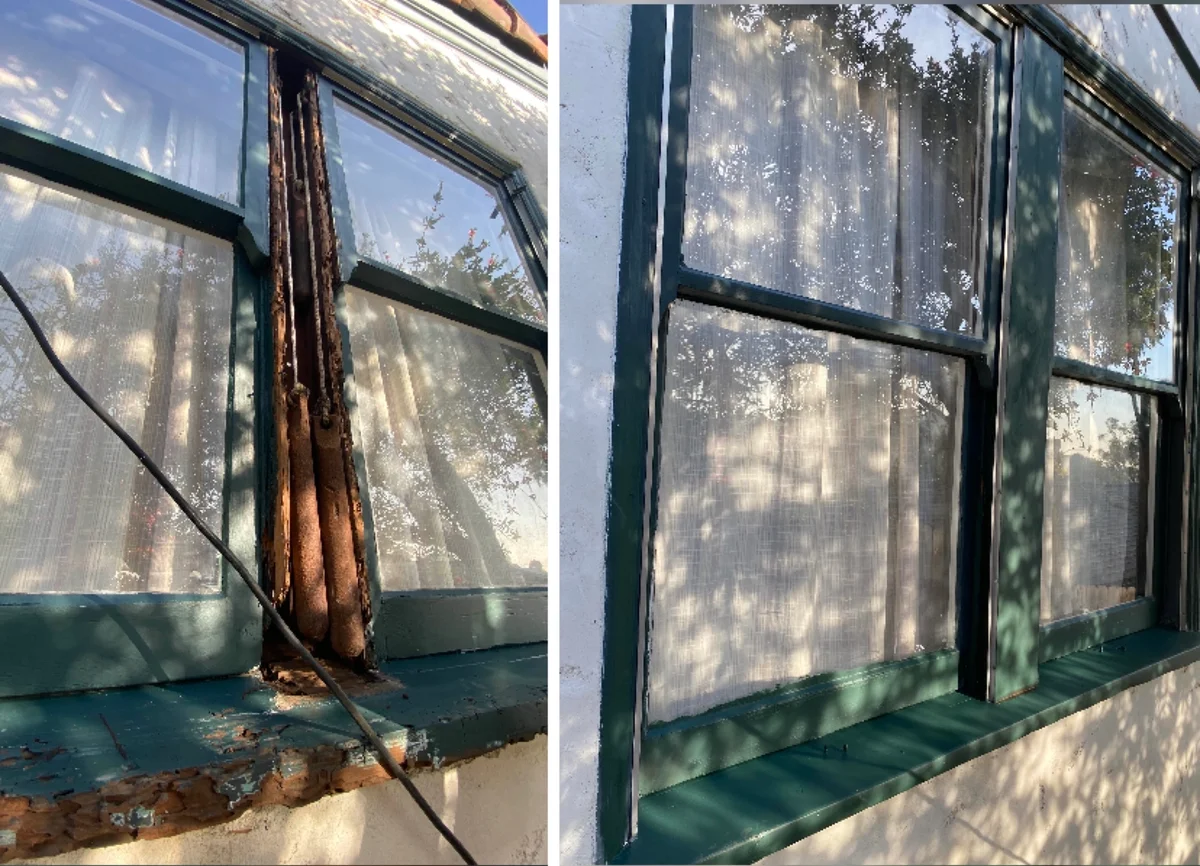
If I had to narrow 2026 down fast, I’d start with warm whites, greige, taupe, deep green, and clay - then test them in full sun before I buy paint. For California homes, the top pick is not just about looks. It also comes down to heat, UV exposure, stucco performance, and how the color sits next to the roof, stone, and yard.
Here’s the short version:
- Warm whites and greige are replacing cooler grays on many exteriors.
- Sage, forest green, and charcoal are showing up on doors, trim, and other accent areas.
- Clay and terracotta still fit Spanish-style and Mediterranean homes well.
- In places with strong sun, dark colors can pull in more heat and fade faster.
- With proper prep and better coatings, many exterior finishes in the San Gabriel Valley can last 7 to 10 years.
I’d keep three things in mind before picking a color:
- Your setting matters - coastal, inland, desert, and hillside light can change how paint looks.
- Your fixed materials matter - roof tile, stone, brick, stucco, and windows should guide the palette.
- Your prep matters - washing, sanding, caulking, priming, and coating choice can affect how long the job lasts.
| Color group | Best fit | Main watch-out |
|---|---|---|
| Warm white / greige / taupe | Main body color on stucco or siding | Can look flat if not tested in changing light |
| Sage / deep green | Trim, doors, shutters, or full body | Darker shades can run hotter in sun |
| Charcoal / near-black | Contrast trim and accents | Faster fading in hard UV |
| Clay / terracotta | Spanish or Mediterranean homes | Needs to work with roof tile and stone |
Bottom line: I’d use trend colors as a starting point, not the final answer. The better move is to test large samples on the wall, check them in morning, midday, and late afternoon light, and match them to the surface prep and coating plan from the start.
The top 2026 exterior color trends for California homes
Start with the body color first. Then use trim and accents to bring in contrast.
Warm whites, greige, and taupe for durable curb appeal
On stucco, these shades tend to stay balanced under strong California sun. They also pair nicely with roof tiles and stone accents, and they leave plenty of room for trim and accent colors to stand out.
Sage green, deep green, and charcoal for stronger contrast
Sage and eucalyptus work well on shutters, doors, trim, and even full body colors. They sit naturally against California landscaping, which helps the whole exterior feel tied together.
Deeper forest greens and near-black shades create bold contrast against lighter body colors. There’s one tradeoff, though: dark colors absorb more heat. That means UV-resistant coatings can help slow fading and reduce heat stress. Huff Painting Co. recommends strong prep and premium coatings for dark exteriors exposed to year-round sun.
Terracotta and clay accents for Spanish and Mediterranean homes
Terracotta and clay are a natural fit for Spanish and Mediterranean homes, especially when the exterior already has red tile, stucco, and natural stone.
| Color Family | Best Use | Works With |
|---|---|---|
| Warm white / greige / taupe | Body and trim on stucco and siding | Roof tiles, stone accents |
| Sage / eucalyptus / forest green | Shutters, doors, trim, or full body colors | Light body colors, California landscaping |
| Charcoal / near black | Trim, doors, and accents | Warm white or greige body colors |
| Terracotta / clay | Spanish and Mediterranean exteriors | Red tile, stucco, natural stone |
Next, match these colors to your climate, roof, and landscape, since California light can change how each one looks.
How California climate, sunlight, and architecture affect color choice
Trends can help, but they don't make the final call. In California, sun, heat, and architecture shape how a paint color looks on the wall and how well it holds up over time. That context usually trims your options before you even start buying samples.
Color directions for coastal, inland, desert, and hillside settings
California regions don't all play by the same rules. Sun exposure, heat, and fixed materials usually steer the final pick. In inland and desert areas, dark colors absorb more heat than warm whites or greige. On stucco, use flexible stucco coatings. And on any exterior, strong prep plus UV-resistant paint goes a long way. Coastal homes need finishes that can handle salt and moisture, while hillside homes need colors that stay steady in changing light.
Matching paint colors to your roof, stone, and landscaping
Start with the parts of the house you can't easily change. Roofs, stone, brick, stucco, window frames, and landscaping all affect how a color reads from the curb. That's why multi-color schemes often work well on California homes. They give you a clean way to separate the body, trim, shutters, and doors.
Once those fixed features point you in the right direction, test your top choices directly on the wall and check them in different light.
How to build and test an exterior color palette
Start with a body, trim, and accent plan before picking samples
With climate and architecture already narrowing your choices, the next move is simple: give each color a job before you start testing samples. Set one for the body, one for the trim, and one for the accent.
That step keeps the palette from drifting. It also makes it much easier to judge whether the colors work together on the house instead of as stand-alone swatches.
Test large samples in morning, midday, and late afternoon light
Small swatches can be misleading. They don't show how a color will look across a full exterior wall, out in open daylight, or next to other materials on the property. Apply large samples directly on the exterior and leave them up for a few days before making a call.
Light shifts a lot during the day in California, so check those samples in the morning, midday, and late afternoon. A color that looks soft at 9:00 a.m. can feel much warmer or flatter later on. Hold each sample against the roof, stone, and landscaping too. That side-by-side view tells you far more than a paint card ever will.
Plan for fading, heat absorption, and long-term maintenance
Southern California sun is no joke. Premium exterior coatings made for UV resistance and color retention can help slow fading over time. On stucco, elastomeric coatings add flexibility and help guard against moisture.
The prep work matters just as much as the paint itself. Washing, scraping, sanding, caulking, and priming all help the finish hold up for 7 to 10 years.
Once the palette has been tested, the next step is matching it to Huff Painting Co.'s prep and application process.
Applying 2026 trends with Huff Painting Co.
How Huff Painting Co. supports color selection and surface prep
Once the palette is set, the next part matters just as much: prep. A paint job only holds up as well as the work underneath it. Picking colors is half the job. In California sun, prep and coating quality play a big role in how long the finish lasts.
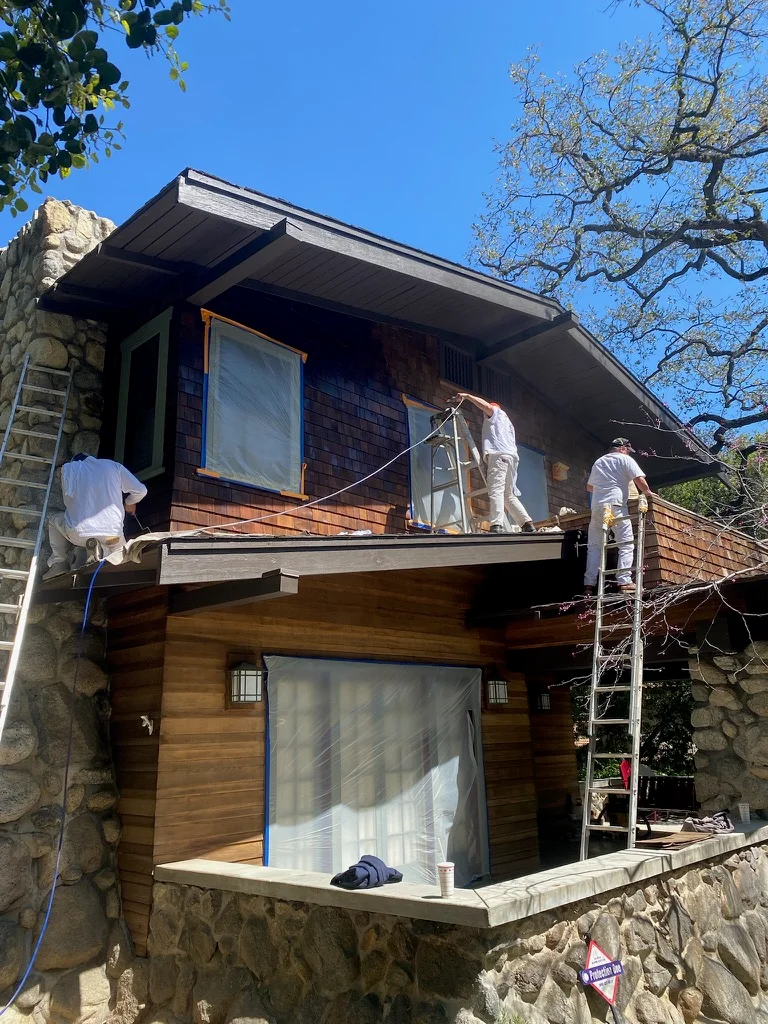
Before any paint goes on, the team inspects the home to make sure the surface is sound and ready for coating. Prep includes power washing, scraping, sanding, caulking, priming, and repairing wood rot and stucco damage. For stucco surfaces, which are common in California, Huff Painting Co. uses elastomeric coatings made to flex with temperature swings and help guard against moisture. The company also uses premium coatings with UV resistance, color retention, and mildew protection suited to San Gabriel Valley conditions.
The team also helps homeowners choose body, trim, and accent colors that fit the home’s architecture. That’s why color choice and surface prep work best when they’re planned together, not treated as two separate decisions.
Conclusion: The 2026 exterior colors worth considering first
Warm whites, deep greens, and terracotta still stand out as the top 2026 options. But trend lists can only take you so far. In practice, local climate and existing materials should shape the final decision more than anything else. A color that looks perfect on a sample can look very different on a stucco wall under full afternoon sun.
With proper preparation and premium coatings, exterior finishes in the San Gabriel Valley climate typically last 7 to 10 years. Color matters, of course, but its long-term performance still depends on the surface beneath it.
FAQs
Which exterior color holds up best in full California sun?
In full California sun, lighter exterior paint colors usually last best. They reflect more of the sun’s rays, which helps keep the house cooler and can reduce fading compared with darker colors that soak up more heat.
For longer-lasting results, go with premium, UV-resistant paint made to hold its color well. Just as important, though, are the basics: proper surface prep and paint made for the local climate tend to matter most when you want the finish to last.
How do I choose a paint color that works with my roof and stone?
Start with the undertones. Pick a paint color with a warm or cool feel that works with your roof and the main tones in your stone. Then choose body, trim, and accent colors that support those features instead of fighting for attention.
Prep matters too. Your painter should power wash, fix damaged surfaces, prime bare spots, and use exterior coatings made for your local climate so the color lasts.
What is the best way to test exterior paint samples on my home?
Apply paint samples to a small, out-of-the-way area of your home. Clean and prep the surface first so the color and finish look the way they’re supposed to.
Then check those samples at different times of day. California’s natural light can shift a color more than you’d think, and this gives you a better sense of how it looks against your home’s texture and the space around it.
More guides
- Best Painting Contractors in La Cañada Flintridge CA (2026 Comparison)
- Best Painting Contractors in Sierra Madre CA 2026 Honest Comparison
- Best Craftsman and Historic Home Painters in the San Gabriel Valley 2026
- How to Verify a Painting Contractor Is Licensed, Insured, and Bonded in California
- Bathroom Paint: Best Products and Finishes for Moisture Resistance
Related painting services
If this article covers something you are planning, these pages go into what the work actually involves on a job.
- Interior painting for walls, ceilings, trim, and cabinets, including how we mask and protect a house you are still living in.
- Single family home painting for a whole house inside or out, from the first walkthrough to the final punch list.
- Apartment building painting for owners and property managers with occupied units and common areas that have to keep working.
- Painting in Pasadena and the rest of the San Gabriel Valley, with the local prep, permit, and historic district notes that apply there.