
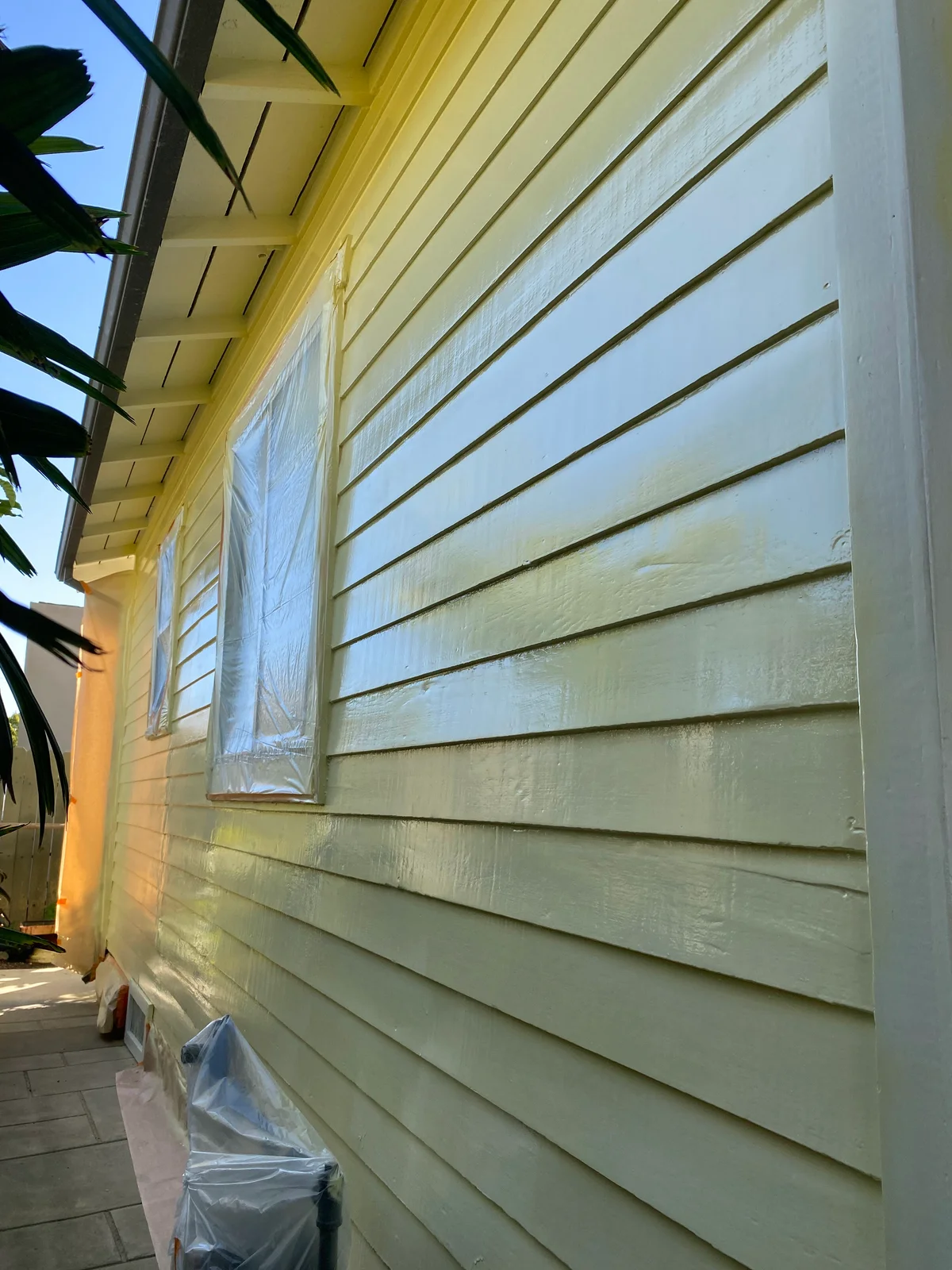
If I want the best shot at a long-lasting exterior paint job in Southern California, I’d aim for September. In most areas, I can work with 70°F to 85°F temperatures, very low rain risk, and enough daylight to handle prep, primer, and topcoats without rushing.
Here’s the short version:
- September avoids the worst of summer heat, when paint can dry too fast and leave blistering, flashing, or uneven sheen
- It’s drier than late fall, which helps paint cure more evenly and lowers the chance of moisture getting trapped
- Stucco, siding, trim, fences, gates, and multi-unit exteriors are strong choices to paint this month
- I should power wash first, wait about 24 hours for surfaces to dry, then scrape, sand, patch, caulk, and prime
- For best results, I’d start after morning dew lifts and stop early enough to give each coat at least 4 hours before evening moisture returns
- In this climate, stucco exteriors can last 7 to 10 years with solid prep and premium coatings, while wood siding often needs paint or stain every 3 to 7 years
Quick comparison
| Time of Year | Typical Weather | Main Paint Risk | Best Use Case |
|---|---|---|---|
| July–August | 85°F to 100°F+, very dry | Dries too fast; finish issues | Smaller jobs with careful timing |
| September | 70°F to 85°F, dry, stable | Fewer weather problems | Most exterior painting projects |
| November–December | 55°F to 70°F, more moisture | Slow drying; adhesion issues | Limited work during dry stretches |
If I’m planning exterior painting in Southern California, September gives me the cleanest weather window for prep, curing, and keeping the project on schedule.
Why September offers better painting conditions
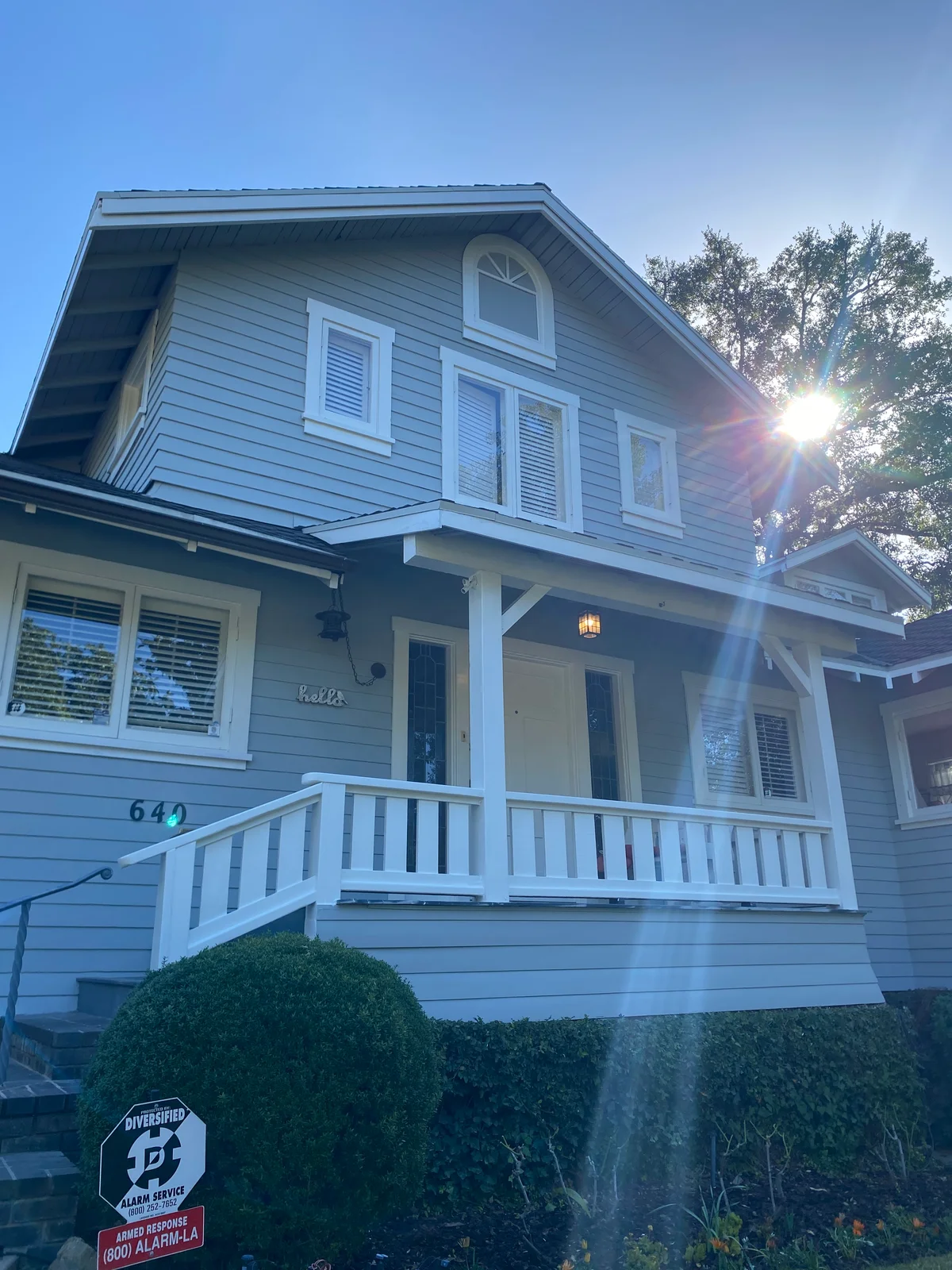
September works well for exterior painting because paint tends to perform best when the weather stays steady from prep all the way through curing. Timing matters here, and September sits in a sweet spot between summer heat and late-fall moisture.
It falls right between two rough stretches for exterior work: hot midsummer weather and damp late-fall conditions.
| Condition | Peak Summer (July–Aug) | September | Late Fall (Nov–Dec) |
|---|---|---|---|
| Temperature Range | 85°F – 100°F+ | 70°F – 85°F | 55°F – 70°F |
| Humidity Level | Very Low | Low | Moderate to High |
| Rain Risk | Minimal | Very Low | Moderate |
| Daylight Hours | ~14 hours | ~12.5 hours | ~10 hours |
| Curing | Low (dries too fast/blisters) | High (stable/predictable) | Moderate (dampness/slow dry) |
How stable temperatures reduce common paint problems
Steady temperatures help cut down on flashing, blistering, and uneven sheen. During peak summer heat, exterior paint can dry too fast. When that happens, you can end up with flashing, uneven sheen, and blistering on stucco and wood siding.
September’s usual 70°F to 85°F range gives paint more time to level before it sets. That matters. A slower set time helps reduce flashing and blistering, and the slower dry time gives the finish a more even look.
How lower humidity and low rain risk improve curing
Lower humidity helps paint cure more evenly and lowers the chance of peeling later on. Once humidity starts climbing, which often happens in late fall and winter, moisture can get trapped in the coating. That can lead to poor adhesion. September’s lower humidity helps avoid that problem.
Low rain risk also makes multi-day jobs easier to schedule. Crews can prep, paint, and come back for follow-up coats with fewer weather delays getting in the way.
How longer daylight hours support full workdays
September still gives crews enough daylight for full workdays. That means there’s time to prep, repair, prime, and apply coats without squeezing the schedule or rushing the work.
Those conditions also make September a strong fit for exterior jobs that need the most dependable drying window.
Which exterior projects to prioritize in September
September is a smart time to tackle exterior work that depends on dry prep, steady curing, and a work schedule that doesn't get thrown off by surprise weather. If you want the biggest payoff, start with the surfaces that take the most abuse from sun, moisture, and delays.
House siding, stucco, and trim
Stucco and siding should come first. They do most of the heavy lifting when it comes to protecting your home from the elements.
September's lower humidity helps patched stucco dry all the way before paint goes on. That matters because dry patches support better adhesion and curing. Elastomeric coatings are also a good fit here since they help bridge small cracks and resist moisture. In the San Gabriel Valley, a properly prepared stucco exterior with premium coatings can last 7 to 10 years.
Fascia, eaves, and trim also do well in these steadier conditions. These areas need sharp lines and tight adhesion, and September's more predictable temperatures make that easier. A satin or semi-gloss finish tends to work well because it offers better stain resistance and holds up better over time.
Fences, gates, and exposed wood surfaces
Wood fences and gates get hit hard by the sun. Once maintenance slips, wood can start to break down fast.
In this climate, wood siding usually needs repainting or staining every 3 to 7 years. September's steadier weather can help paint stick better and dry into a more even finish. Prep work also matters a lot on wood surfaces, especially sanding and priming before the paint is applied.
Commercial facades and multi-unit exteriors
For storefronts, office buildings, and apartment exteriors, the main advantage of September is simple: predictability.
Larger jobs depend on timing. You might power wash one day, handle repairs the next, apply primer after that, and then move into finish coats. With a lower chance of rain, that sequence is much easier to keep on track. Fewer weather delays also mean less disruption for tenants and customers.
On big exteriors, crews can spray large facades for a smooth, even finish and get the job done faster. That's a big deal when work has to fit around business hours or when several buildings are being handled at the same time.
With the priority surfaces set, the next step is cleaning, making repairs, and lining up each coat with the weather window.
How to prepare surfaces and schedule the work
Once you've picked the right surfaces, the next move is to line up prep work with September's dry weather. That stretch of dry conditions gives each step time to dry, cure, and bond the way it should.
Cleaning, repairs, and dry time before paint
Start with a thorough power wash. This clears away dust, chalky residue, mildew, and loose paint that can stop new paint from bonding well.
After washing, let the surface dry for 24 hours before you move on to repairs or paint. That drying window matters. If you rush it, the rest of the prep job can fall apart.
Once everything is dry, begin surface prep. Scrape, sand, and repair any spots where paint is peeling, cracking, or flaking. Fix wood rot before priming, and patch stucco cracks before coating. Caulk around windows, doors, fascia boards, and trim. Then prime every bare or repaired area before the topcoats go on.
| Surface | Primary Prep Needs |
|---|---|
| Stucco | Power wash, crack repair, spot patching |
| Wood Siding | Scrape peeling paint, sand, repair rot |
| Trim/Fascia | Sanding, caulking, priming bare wood |
| Fences/Gates | Power wash, sand rough spots, check for decay |
Timing coats around dew, sun, and multi-day dry weather
In September, mornings in Southern California can still leave a light layer of moisture on exterior surfaces. Wait until the dew has fully lifted before you start painting, and stop by mid-afternoon so each coat gets at least 4 hours before evening cooling and dew set in.
It also helps to work in the shade and stay out of the midday heat. Paint laid down on a hot surface can dry too fast, which can hurt adhesion and finish quality.
A sample September project timeline
Here’s a simple way to keep a September project moving without weather delays.
| Day | Phase | Activity |
|---|---|---|
| Day 1 | Cleaning | Power wash; remove mildew and chalking |
| Day 2 | Drying | Full 24-hour dry time before repairs or paint |
| Day 3 | Repairs | Scrape, sand, caulk, and patch cracks |
| Day 4 | Priming | Spot-prime bare wood and repaired areas |
| Days 5–6 | Application | Apply two topcoats between dew and evening cooling |
| Day 7 | Final cure | Final inspection and cleanup; allow paint to fully bond in stable September temperatures |
When prep and timing line up, September paint tends to hold up better and last longer.
Paint performance benefits and when to hire a professional
Why September weather helps paint last longer
Once the surface is prepped and the weather window is lined up, the next step is simple: how do those conditions affect the paint over time?
September's steady weather helps each coat cure more evenly. That supports a tighter bond and a longer service life. With proper prep and a high-quality coating, exterior finishes can last for years in this climate.
Premium exterior coatings with strong UV and mildew resistance are made for the hot, dry San Gabriel Valley climate. When they're applied during September's stable conditions, they have a better shot at curing fully, lasting longer, and standing up to wear.
That matters even more on projects where access, timing, and coating choice can make or break the result.
Projects that benefit most from professional exterior painting
Some exterior jobs are manageable for experienced DIYers. Others are better left to a professional crew, especially when safety, timing, and surface prep are a big part of the job.
Multi-story homes, stucco-heavy exteriors, and commercial facades tend to gain the most from professional crews. These projects call for careful prep, safe access, and tight scheduling. For larger or more complex exteriors, September also makes scheduling easier. Professional crews can coordinate washing, repairs, priming, and finish coats within the dry-weather window while causing less disruption for tenants and customers.
Stucco exteriors need extra care. Elastomeric coatings have to be applied the right way to perform as intended, and each step needs to stay on schedule.
Conclusion: Schedule September work before the fall calendar fills up
September gives Southern California properties a strong mix of stable temperatures, low rain risk, and dependable curing conditions. Book early so your project is finished before the fall calendar fills up.
FAQs
Can I paint in early October instead of September?
Yes. September is usually the sweet spot, but exterior painting in Southern California can often continue through October.
If the weather stays on your side, early October can still be a good window. The main thing is to watch for rain and very hot or very cold days. Before you start, check the forecast so the paint has the best chance to adhere well and cure the way it should.
Which exterior paint works best for stucco in Southern California?
For stucco in Southern California, we usually recommend elastomeric coatings. They can stretch and move with temperature swings, which helps the finish hold up longer and adds another layer of waterproofing.
In the San Gabriel Valley, we often use commercial-grade products like Sherwin-Williams Duration, Sherwin-Williams SuperPaint, and Dunn-Edwards Evershield. These lines are known for strong UV protection, solid color hold, and mildew resistance.
How do I know if my exterior is dry enough to paint?
Your exterior is ready for paint when the forecast is clear and the surface is fully dry after cleaning and repairs.
If any spots still feel damp or look dark or wet, stop and reschedule. Huff Painting Co. never paints when rain is in the forecast and can inspect the surface to make sure prep is done before any coating goes on.
More guides
- How to Choose the Right Interior Paint Finish for Every Room
- Interior Painting Tips for Homes with Pets and Kids
- Low-VOC vs Zero-VOC Paint: What Homeowners Need to Know
- Painting a Craftsman Home: Color Palettes and Preservation Tips for Pasadena Homeowners
- Painting Your Home Before Selling: What to Paint and What to Skip
Related painting services
If this article covers something you are planning, these pages go into what the work actually involves on a job.
- Interior painting for walls, ceilings, trim, and cabinets, including how we mask and protect a house you are still living in.
- Single family home painting for a whole house inside or out, from the first walkthrough to the final punch list.
- Apartment building painting for owners and property managers with occupied units and common areas that have to keep working.
- Painting in Pasadena and the rest of the San Gabriel Valley, with the local prep, permit, and historic district notes that apply there.