
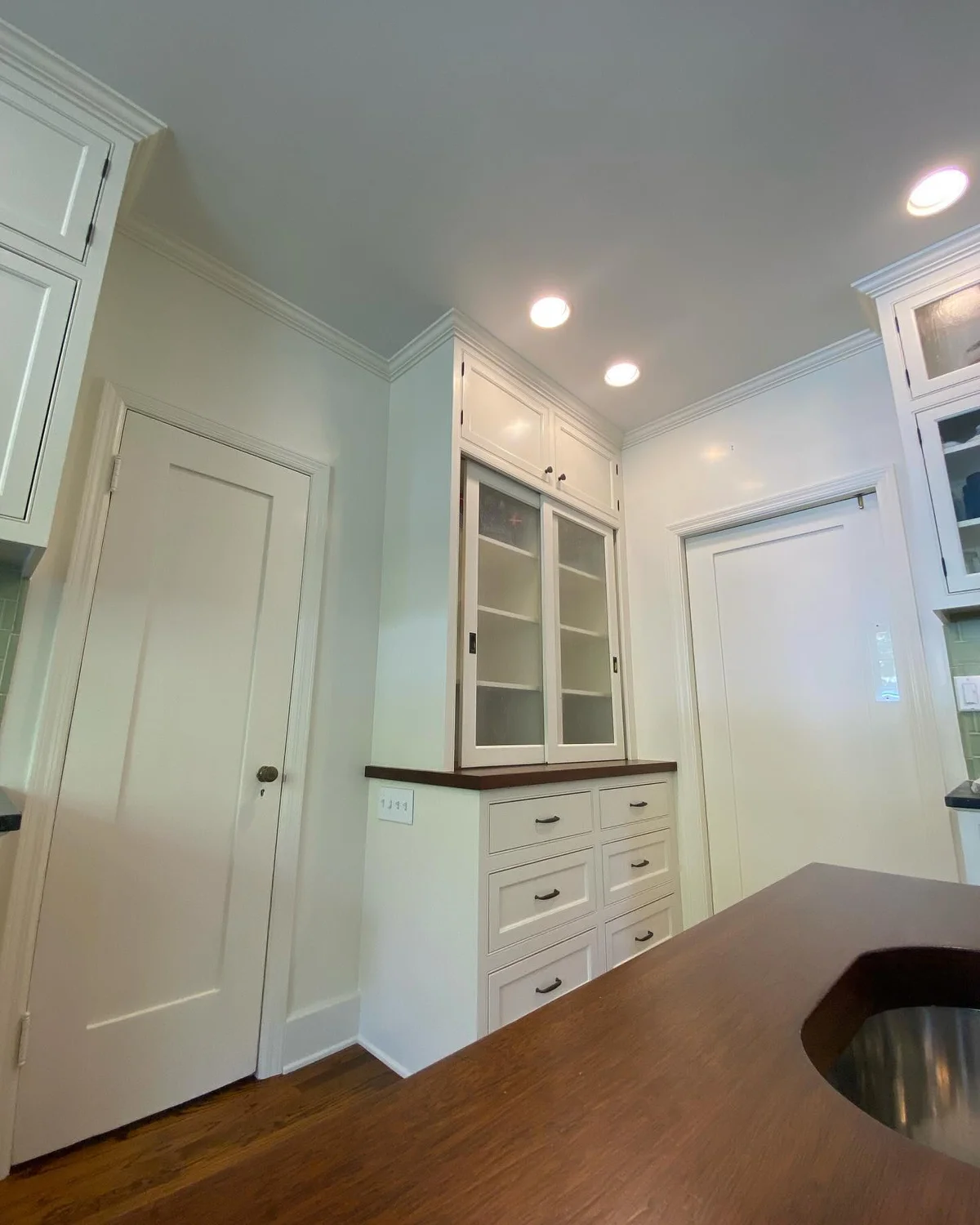
A real painting estimate is a scope document with a price attached, not a number scribbled on the back of a card. It names the surfaces being coated, the preparation included, how many coats go on, which products are used, and what is specifically excluded. Read that way, two estimates that look close in price often turn out to describe two very different jobs. This guide walks through the line items worth looking for and what each one actually tells you.
Here's the short version:
- The scope list matters more than the total. If a surface is not named, assume it is not included.
- Preparation is the line item that decides how long the finish lasts, so it should be written out step by step.
- Coat count, product names and sheen belong in writing, along with the exclusions and the payment schedule.
Why the Written Estimate Is the Whole Conversation
Painting is one of the few trades where the finished job looks nearly identical on day one whether the prep was thorough or rushed. The difference shows up in year two or year three, when the paint on a poorly prepped wall begins to lift and the paint on a properly prepped one does not. Because you cannot inspect your way to that answer at the end, the written estimate is where the quality of the work gets defined.
That is also why a vague estimate is a problem rather than a convenience. A one line quote covering the exterior of a house leaves every meaningful decision unresolved. Does it include the fascia boards? The window trim? The garage door? Is damaged wood getting repaired first, or painted over? Those answers are either on paper before the work starts or they become a disagreement later.
A detailed proposal protects the painter too. When both sides agree in advance on which surfaces are included and how many coats go on, there is nothing to argue about at the final walkthrough.
The Line Items Worth Reading Closely
Surfaces, named individually
The scope should list surfaces rather than rooms or sides. On an exterior, that means siding or stucco, trim, fascia, soffits, shutters, doors, door frames, window sashes, railings and any garage doors, each either included or excluded. On an interior, it means walls, ceilings, baseboards, door casings, doors, crown molding and closet interiors. Closets and ceilings are two of the items most often left out of a thin bid, and both are very visible once the rest of the room is fresh.
Preparation, step by step
This is the section that separates estimates. Thorough exterior prep generally means power washing, scraping and sanding peeling or flaking areas, caulking gaps, patching holes, repairing damaged wood or stucco, and priming bare surfaces before any finish coat goes on. Each of those should appear as its own item. On interiors, prep covers masking, floor protection, drop cloths, patching and sanding, and the handling of furniture and fixtures.
Ask whether repair work is included or billed separately once it is uncovered. Wood rot and stucco cracks are often hidden behind old paint, so a good estimate either includes an allowance for repairs or states clearly how additional repairs get priced and approved.
Coat count and sheen
A proposal that states the primer and the number of finish coats per surface is a specification. One that promises coverage without naming a count is not. Sheen should be listed surface by surface as well, since sheen affects durability and cleanability as much as appearance. If you are still weighing options, our guide to choosing the right interior paint finish for every room covers how each one behaves in practice.
Products by name
The proposal should name the specific coating lines being used, not just a category. A premium exterior acrylic and a builder grade exterior acrylic are both exterior paint, and they do not perform the same way over a decade of Southern California sun. Named products also let you confirm things that matter to your household, such as low-VOC or zero-VOC formulations for interior work, or elastomeric coatings on stucco that flex with temperature changes and provide better waterproofing.
Exclusions, schedule and terms
The last section should cover what is not in the price, the expected working days, the payment schedule, proof of license and insurance, and any written warranty on labor. Exclusions are not a red flag. They are a sign someone actually thought the job through.
A residential facade with siding, trim and window surrounds, each of which appears as a separate line item on a thorough estimate.
What Actually Drives the Number
No two homes price the same, and the short version of why is that labor hours and surface condition do most of the work. These are the factors that move an estimate up or down:
Square footage and height. More surface takes more material and more hours. Two story walls, steep pitches and tall entryways add staging, ladder work and time.
Surface condition. A wall in sound condition needs washing and coating. A wall with widespread peeling needs scraping, sanding, patching and spot priming first. Prep hours vary more between two houses than paint cost ever does.
Repairs. Wood rot, stucco cracks and failed caulking all have to be addressed before coating, and the extent is often not fully known until the washing is done.
Number of colors and amount of trim. Detailed trim, multiple body colors and accent elements all slow application down. A Craftsman with layered trim details is a different job from a flat stucco ranch of the same size.
Surface type. Stucco, smooth siding, rough wood and metal all absorb and hold coatings differently, which changes product selection and coat count.
Product grade and sheen. Premium coatings cost more up front and generally buy more years before the next repaint.
Access and scheduling. Tight lot lines, landscaping, occupied units and after hours or weekend work on commercial properties all affect the hours required.
For a sense of how those hours compare to doing the work yourself, our breakdown of professional versus DIY painting costs walks through what each path actually asks of you.
Thin Estimate Versus Itemized Proposal
| Line item | Thin estimate | Itemized proposal |
|---|---|---|
| Scope | One line covering the whole job | Every surface named, with inclusions and exclusions |
| Prep | Left unstated or described only as needed | Washing, scraping, sanding, caulking, patching, repair and priming, each listed |
| Coats | Described as coverage with no count | Coat count per surface, primer specified |
| Products | Named only as a grade or category | Product line and sheen listed per surface |
| Repairs | Discovered and billed later | Included, or priced with a stated approval process |
| Timeline | A rough guess | Working days laid out as a sequence of phases |
| Warranty | Verbal | Written labor warranty with terms |
| Credentials | Unstated | License number and proof of insurance attached |
An itemized proposal also makes comparison bids meaningful. When both documents list the same surfaces, the same prep and the same coat count, the prices are finally describing the same job.
Where Huff Painting Co. Fits In
Huff Painting Co. is a family-owned residential and commercial painting business with over 40 years of experience. Doug Huff founded the company in the 1980s, starting with residential homes in Pasadena and growing by referral through Sierra Madre, San Marino, Arcadia and La Canada Flintridge, then expanding into commercial work including restaurants, markets, industrial parks and apartment complexes. Doug's son Cory Huff now manages day-to-day operations. We are not a franchise. It is the same family crew, with thorough preparation and premium materials on every job.
We are licensed under number 451832, insured and bonded, and we hold a 5.0 rating across 22 Google reviews from customers in Sierra Madre, Pasadena, Altadena, Arcadia, San Marino, La Canada Flintridge and Alhambra.
"If your looking for a honest guy to do your painting, Huff Painting is the one you want to use. You couldn't find a better company to work on your house. Would highly recommend." Kevin de Rose, Pasadena
Whether the project is exterior painting on a single family home, interior painting room by room, or a phased repaint of apartment buildings for a property manager, the scope decisions above are the ones that shape the price. To get an actual number for your property, request an estimate from Huff Painting Co. or call (747) 888-8314.
FAQs
Should an estimate include the number of coats?
Yes. Coat count is one of the few parts of a painting job you cannot verify after the fact, so it belongs in writing. A clear proposal states the primer, the number of finish coats, and which surfaces each applies to.
Why do two estimates for the same house differ so much?
Usually because they describe different amounts of preparation and different product grades. One bid may include scraping, sanding, caulking, wood repair and priming before two premium finish coats, while another covers a wash and a single coat. Line up the scopes side by side before comparing the totals.
How long should a single family home repaint take?
Most single-family home projects take between five and ten working days depending on the size of the house and the amount of prep work involved. Larger homes or those with significant wood repair or stucco patching may take longer, and the proposal should give you a sequence rather than just a finish date.
What if damage is found after the work starts?
Some damage only becomes visible after power washing and scraping. A good estimate explains in advance how that situation is handled, including how additional repair work is documented, priced and approved by you before anyone proceeds.
How long should the new paint last?
With proper preparation and premium paint, exterior finishes typically last 7 to 10 years in the San Gabriel Valley climate. Decks are the exception, since most need re-coating every two to four years depending on sun exposure and foot traffic.
More guides
- Bathroom Paint: Best Products and Finishes for Moisture Resistance
- Best Exterior Paint Colors for Sierra Madre Homes in 2026
- Cabinet Painting in Sierra Madre: Transform Your Kitchen for Less
- Commercial Painting for San Gabriel Valley Storefronts
- Deck Staining vs Deck Painting: Which Is Better for California Decks?
Related painting services
If this article covers something you are planning, these pages go into what the work actually involves on a job.
- Interior painting for walls, ceilings, trim, and cabinets, including how we mask and protect a house you are still living in.
- Single family home painting for a whole house inside or out, from the first walkthrough to the final punch list.
- Apartment building painting for owners and property managers with occupied units and common areas that have to keep working.
- Painting in Pasadena and the rest of the San Gabriel Valley, with the local prep, permit, and historic district notes that apply there.